
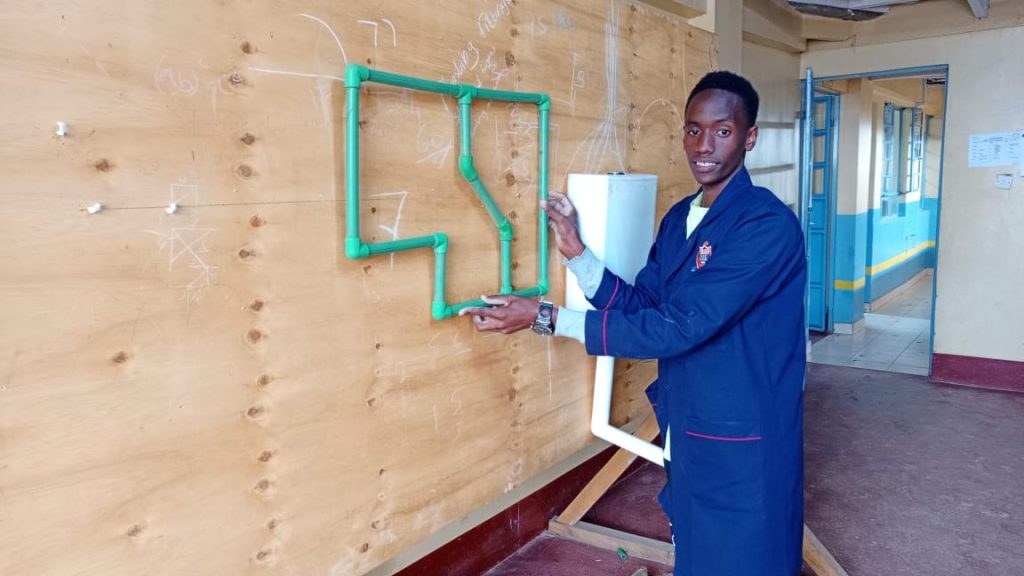
Plumbing is one of the most practical technical careers in Kenya, offering opportunities in residential construction, commercial buildings, property maintenance, manufacturing, water supply projects and plumbing businesses.
A plumbing course equips students with practical skills for installing, maintaining and repairing water supply, drainage, sanitary and plumbing systems. Depending on the level of training, students can specialize in areas such as domestic plumbing, pipe installation, drainage systems, water systems and building services.
There are different plumbing courses available in Kenya, ranging from short practical courses and artisan programmes to certificate and diploma qualifications. The right programme depends on your KCSE grade, career goals, preferred qualification level and whether you want to work for an employer or start your own plumbing business.
This guide covers the best plumbing courses in Kenya, entry requirements, duration, approximate fees, what you learn, career opportunities, salary expectations and self-employment opportunities.
What Are Plumbing Courses?
Plumbing courses are technical training programmes that teach students how to install, maintain, repair and manage plumbing and water systems in residential, commercial and industrial buildings.
Students learn how different plumbing systems work and how to install and maintain components such as water pipes, drainage pipes, taps, toilets, sinks, showers, water tanks, pumps and other plumbing fixtures.
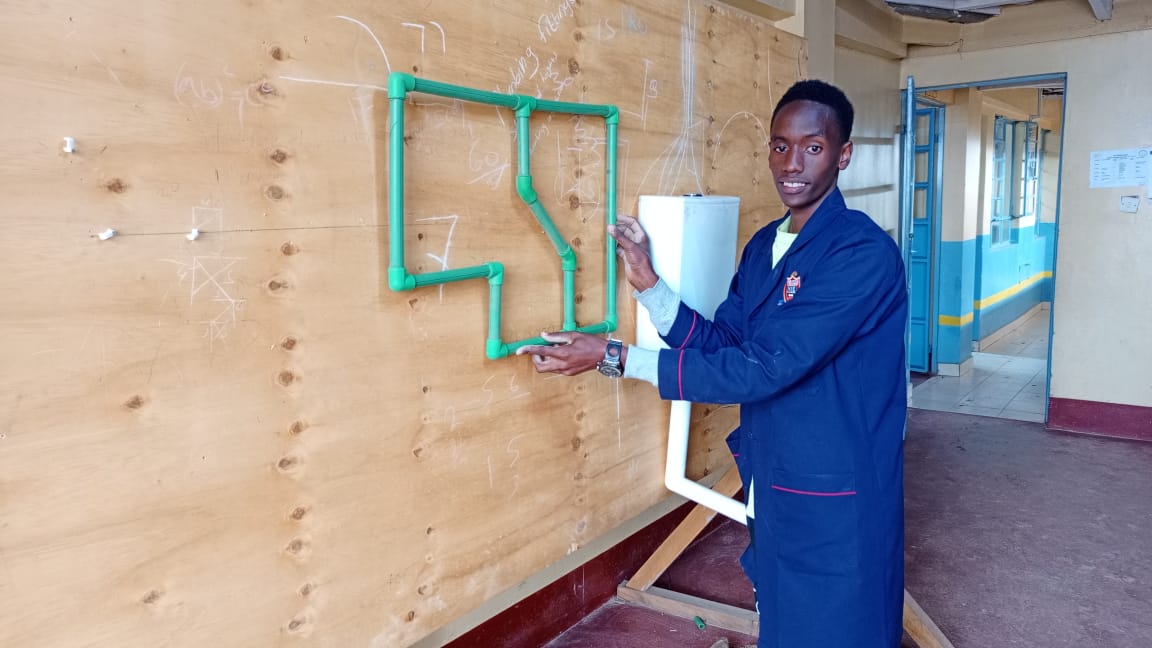
Depending on the programme, plumbing training can cover:
- Domestic plumbing
- Pipe installation
- Water supply systems
- Drainage systems
- Sanitary installations
- Plumbing fixtures
- Water storage systems
- Pump installation
- Pipe joining techniques
- Plumbing maintenance and repairs
- Building services
- Plumbing safety
- Technical drawing
- Plumbing calculations
Plumbing courses combine classroom theory with practical training, allowing students to develop the hands-on skills required to work on real plumbing installations.
What Do Plumbing Courses Cover?
Although the content varies depending on the qualification and programme, common areas of study include:
- Pipework installation – Installing and connecting different types of pipes used in water supply and drainage systems.
- Water supply systems – Installing systems that distribute clean water throughout buildings.
- Drainage systems – Installing and maintaining systems for wastewater and sewage disposal.
- Sanitary installations – Installing toilets, sinks, showers, baths and other sanitary fittings.
- Plumbing fixtures – Installing taps, valves, pipes, tanks and related components.
- Pipe joining – Learning techniques used to connect different types of plumbing pipes.
- Plumbing maintenance – Identifying and repairing leaks, blockages and faulty plumbing components.
- Technical drawing – Reading and interpreting plumbing drawings and building plans.
- Plumbing calculations – Understanding measurements, pipe sizes, water flow and other technical requirements.
- Health and safety – Following safe working practices when carrying out plumbing installations and repairs.

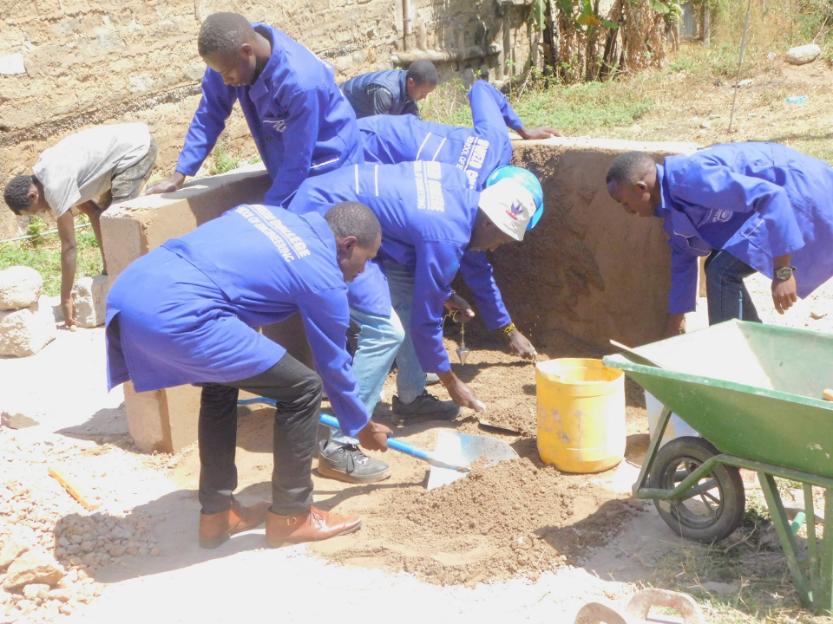
Who Can Study Plumbing?
Plumbing courses can be suitable for:
- KCSE graduates
- Students looking for practical technical training
- Students with different KCSE grades
- People interested in construction
- Aspiring plumbers
- Building maintenance workers
- Construction workers looking to add plumbing skills
- People interested in water systems
- Entrepreneurs planning to start plumbing businesses
- Professionals looking to develop additional technical skills
You do not necessarily need to begin with a diploma to become a plumber. Depending on your qualifications and career goals, you can start at an appropriate entry level and progress to higher qualifications.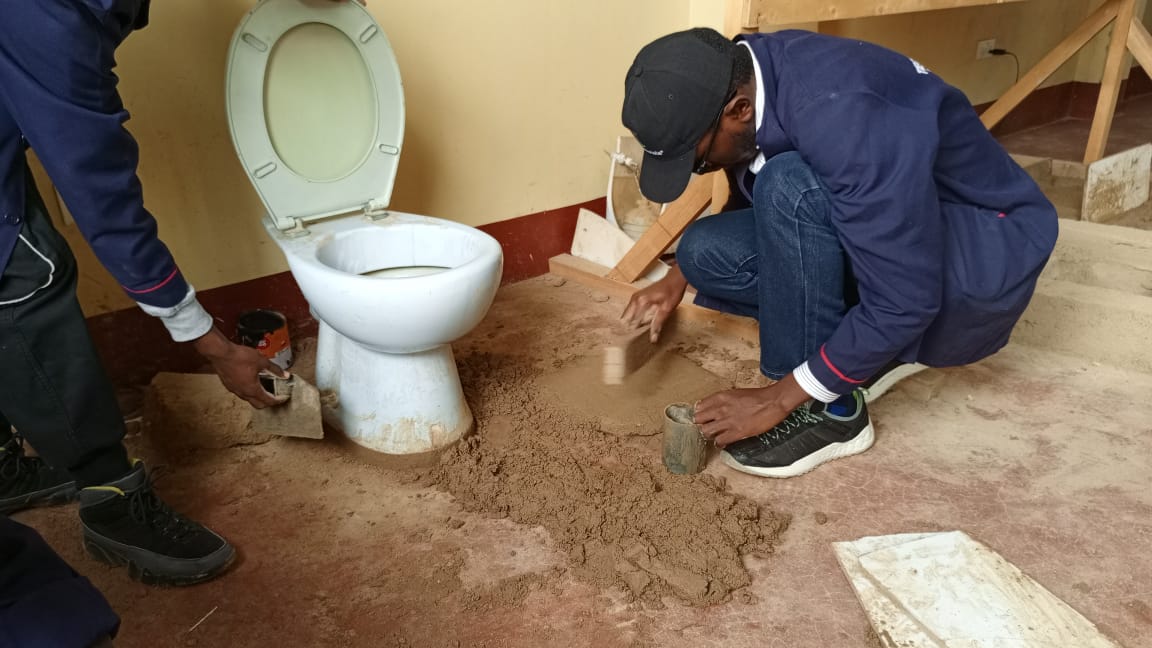
Best Plumbing Courses in Kenya
There are several plumbing-related programmes available in Kenya. The best course depends on the type of plumbing work you want to do and the qualification you want to obtain.
| Plumbing Course | Main Focus | Typical Level | Best Suited For |
|---|---|---|---|
| Plumbing | General plumbing installation and maintenance | Artisan/Certificate/Diploma | Aspiring plumbers |
| Plumbing & Pipe Fitting | Plumbing and pipe installation | Artisan/Certificate | Plumbing and construction work |
| Plumbing Installation | Installation of water and drainage systems | Artisan/Certificate | Installation technicians |
| Building Services Engineering | Plumbing, water and building systems | Diploma/Higher | Technical careers |
| Water Supply & Sanitation | Water and sanitation systems | Certificate/Diploma | Water and sanitation careers |
| Pipe Fitting | Pipe installation and maintenance | Artisan/Certificate | Industrial and construction work |
| Sanitary Plumbing | Sanitary and drainage installations | Certificate | Plumbing technicians |
| Plumbing & Drainage | Water and wastewater systems | Certificate/Diploma | Drainage and plumbing work |
1. Plumbing Course
A general Plumbing course provides foundational skills for installing, maintaining and repairing plumbing systems.
It is one of the most direct options for students who want to become professional plumbers.
What Do You Learn?
Students may study:
- Water pipe installation
- Drainage systems
- Sanitary installations
- Pipe joining
- Plumbing fixtures
- Water storage
- Plumbing maintenance
- Leak detection
- Plumbing tools
- Plumbing safety
- Technical drawings
- Basic plumbing calculations
Career Opportunities
Graduates can work as:
- Plumbers
- Plumbing assistants
- Plumbing technicians
- Maintenance technicians
- Construction workers
- Plumbing installers
The skills can also provide a foundation for starting a plumbing services business.
2. Plumbing and Pipe Fitting
Plumbing and Pipe Fitting combines plumbing installation with the skills required to install and maintain pipe systems.
It can be suitable for students interested in both building plumbing and broader pipe installation work.
Areas Covered
These may include:
- Pipe installation
- Pipe cutting
- Pipe joining
- Pipe bending
- Water supply systems
- Drainage systems
- Plumbing fixtures
- Pipe maintenance
- Technical drawings
- Workplace safety
Career Opportunities
Graduates may work in:
- Construction companies
- Plumbing companies
- Property maintenance
- Manufacturing facilities
- Industrial projects
- Building services
3. Plumbing Installation
Plumbing Installation focuses on the practical installation of water, drainage and sanitary systems.
Students learn how to install plumbing systems in buildings and connect the necessary fixtures and pipework.
Skills May Include
- Water pipe installation
- Drainage pipe installation
- Toilet installation
- Sink installation
- Shower installation
- Tap installation
- Water tank connections
- Wastewater systems
- Pipe testing
- Plumbing maintenance
This course can be suitable for students who want a practical career in construction and building services.
4. Building Services Engineering
Building Services Engineering is broader than basic plumbing training and can cover several systems required for the operation of buildings.
Depending on the programme, students may study areas such as:
- Plumbing
- Water supply
- Drainage
- Sanitation
- Building services
- Technical drawing
- Building maintenance
- Mechanical systems
- Building installations
This type of qualification may be suitable for students who want to progress beyond basic plumbing work into more technical building services careers.
Career Opportunities
Graduates may work in:
- Construction companies
- Building maintenance
- Property management
- Engineering companies
- Facilities management
- Building services companies
5. Water Supply and Sanitation
Water Supply and Sanitation focuses on systems used to provide clean water and safely manage wastewater and sanitation.
The course can be particularly relevant to students interested in water, sanitation and public infrastructure.
What May Be Covered?
- Water supply systems
- Water distribution
- Drainage
- Sanitation
- Wastewater systems
- Pipe installation
- Water storage
- Pumps
- Maintenance
- Health and safety
Career Opportunities
Graduates may find opportunities in:
- Water companies
- Construction companies
- Plumbing companies
- Sanitation projects
- Water and infrastructure projects
- Property maintenance
6. Pipe Fitting
Pipe Fitting focuses on installing, connecting and maintaining pipe systems.
While plumbing and pipe fitting overlap, pipe fitting can have broader applications in construction and industrial environments.
Skills May Include
- Pipe cutting
- Pipe bending
- Pipe joining
- Pipe installation
- Reading technical drawings
- Pipe maintenance
- Safety procedures
- Pressure testing
Pipe fitting skills can be useful in construction, manufacturing, industrial maintenance and other technical environments.
7. Sanitary Plumbing
Sanitary Plumbing focuses on the installation and maintenance of sanitary fixtures and wastewater systems.
Students may learn how to install:
- Toilets
- Sinks
- Showers
- Baths
- Floor drains
- Waste pipes
- Drainage systems
- Sanitary fittings
This can be a useful specialization for plumbers working on residential and commercial buildings.
8. Plumbing and Drainage
Plumbing and Drainage focuses on both water supply and wastewater disposal systems.
Students learn how water enters a building, how it is distributed to different fixtures and how wastewater is safely removed.
Areas Covered
- Water supply
- Drainage
- Wastewater systems
- Pipe installation
- Sanitary fittings
- Drain maintenance
- Leak detection
- Pipe testing
- Plumbing safety
This can be particularly useful for plumbers working on complete building installations.
Which Plumbing Course Is Best for You?
The best plumbing course depends on the type of work you want to do.
| Your Career Goal | Course to Consider |
|---|---|
| Become a professional plumber | Plumbing |
| Work in building construction | Plumbing / Plumbing Installation |
| Specialize in pipe systems | Plumbing & Pipe Fitting |
| Work with water and sanitation | Water Supply & Sanitation |
| Work with drainage systems | Plumbing & Drainage |
| Specialize in sanitary installations | Sanitary Plumbing |
| Work in industrial pipe systems | Pipe Fitting |
| Progress into technical building services | Building Services Engineering |
| Learn plumbing skills quickly | Short Plumbing Course |
| Start a plumbing business | Plumbing / Plumbing Installation |
There is no single plumbing course that is best for everyone. Your choice should depend on your academic qualifications, preferred area of specialization and long-term career plans.
Plumbing Course Entry Requirements in Kenya
Plumbing courses are available at different qualification levels, allowing students with different academic backgrounds to enter the trade.
Typical entry levels may include:
| Qualification Level | Typical Entry Level | Suitable For |
|---|---|---|
| Artisan/Grade | Varies by programme | Students seeking foundational practical skills |
| Certificate | Often KCSE D plain or equivalent | Entry-level plumbing training |
| Diploma | Often KCSE C- or relevant certificate | Advanced technical training |
| Higher qualifications | Relevant qualification | Students progressing from previous training |
These are general guidelines. Specific requirements vary depending on the programme and awarding or examining body.
Can I Do Plumbing With a D Plain?
Yes. Students with a KCSE D plain can qualify for certain plumbing programmes, particularly artisan and certificate-level training.
Depending on the programme, students may be able to study:
- Plumbing
- Plumbing Installation
- Plumbing and Pipe Fitting
- Pipe Fitting
- Plumbing and Drainage
Always confirm the specific entry requirements before applying because they vary between programmes.
Can I Study Plumbing After KCSE?
Yes. KCSE graduates can pursue plumbing training at different levels depending on their KCSE grade.
Students who do not qualify directly for a diploma may start with an artisan or certificate programme and later progress to higher qualifications.
How Long Do Plumbing Courses Take in Kenya?
The duration of a plumbing course depends on the qualification level, programme, training structure and institution.
| Programme Type | Approximate Duration |
|---|---|
| Short plumbing course | Several weeks to several months |
| Artisan/Grade programme | Several months to about 1 year |
| Certificate | About 1–2 years |
| Diploma | About 2–3 years |
| Higher qualification | Varies by programme |
Some programmes may also include practical attachment or workplace experience, which can affect the overall training period.
When comparing plumbing courses, consider the qualification and practical skills you will gain rather than choosing a programme solely because it is shorter.
How Much Do Plumbing Courses Cost in Kenya?
The cost of plumbing courses in Kenya varies depending on the qualification level, programme, training institution, practical requirements and duration.
| Programme Type | General Cost Consideration |
|---|---|
| Short plumbing course | Lower overall cost |
| Artisan programme | Relatively affordable technical training |
| Certificate | Moderate tuition and practical costs |
| Diploma | Higher overall training cost |
Students should ask whether the quoted fees include:
- Tuition
- Registration
- Examination fees
- Practical materials
- Tools
- Protective clothing
- Workshop fees
- Training materials
- Industrial attachment
- Certification fees
The total cost of becoming qualified may therefore be higher than the advertised tuition fee.
What Do You Learn in a Plumbing Course?
Plumbing training is highly practical. Students learn both the theory behind plumbing systems and the practical skills needed to install and maintain them.
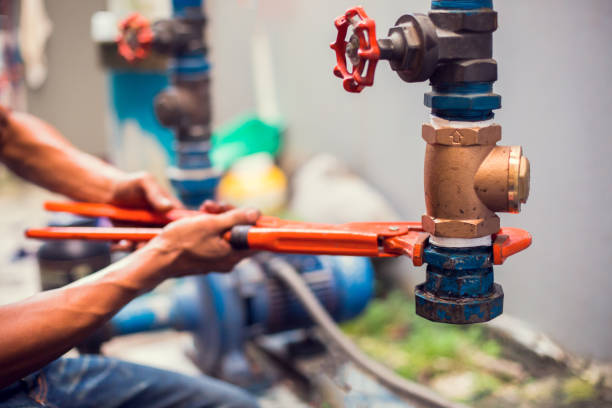
Water Supply Systems
Students learn how clean water is supplied and distributed within buildings.
This can include:
- Water pipes
- Valves
- Taps
- Water tanks
- Pumps
- Pipe connections
- Water distribution
Drainage Systems
Drainage training covers the removal of wastewater from buildings.
Students may learn about:
- Waste pipes
- Soil pipes
- Drainage pipes
- Floor drains
- Wastewater systems
- Drain maintenance
Sanitary Installations
Students learn how to install and maintain fixtures such as:
- Toilets
- Sinks
- Showers
- Baths
- Urinals
- Basins
Pipe Installation and Joining
Students learn how to:
- Measure pipes
- Cut pipes
- Bend pipes
- Join pipes
- Install pipework
- Test pipe connections
The techniques used depend on the type of pipe and plumbing system.
Plumbing Tools and Equipment
Training may include the correct use and maintenance of plumbing tools and workshop equipment.
Plumbing Maintenance and Repairs
Students learn how to identify and repair common plumbing problems such as:
- Leaking pipes
- Blocked drains
- Faulty taps
- Damaged fittings
- Water supply problems
- Drainage problems
Technical Drawing
Plumbers need to understand drawings and plans when working on construction projects.
Training may therefore include:
- Reading plumbing drawings
- Interpreting building plans
- Basic technical drawing
- Plumbing layouts
Plumbing Calculations
Students may learn calculations relating to:
- Pipe measurements
- Pipe sizes
- Water flow
- Materials
- Quantities
- Installation requirements
Health and Safety
Plumbing work can involve tools, equipment, construction sites and potentially hazardous environments.
Students therefore learn appropriate workplace safety practices and the correct use of protective equipment.
Practical Training and Industrial Attachment
Plumbing is a hands-on technical profession, making practical training one of the most important parts of the course.
Students should have opportunities to practice:
- Pipe installation
- Pipe joining
- Fixture installation
- Drainage installation
- Water system installation
- Plumbing repairs
- Fault identification
- Tool handling
- Plumbing testing
Industrial attachment can provide additional experience by exposing students to actual construction sites, plumbing companies, property maintenance projects or other work environments.
When choosing a plumbing course, ask about the amount of workshop-based practical training and industrial attachment included.
Plumbing vs Pipe Fitting: What’s the Difference?
Plumbing and pipe fitting involve similar skills but can have different applications.
| Plumbing | Pipe Fitting |
|---|---|
| Primarily water, sanitation and drainage systems | Broader pipe installation |
| Common in residential and commercial buildings | Can include industrial applications |
| Toilets, sinks, showers and water systems | Pipe systems and specialized installations |
| Strong focus on building services | Can involve industrial systems |
| Common route to becoming a plumber | Useful for construction and industrial work |
If your goal is to work primarily in homes, apartments, offices and commercial buildings, plumbing may be the more direct choice.
If you are interested in broader pipe installation or industrial environments, pipe fitting may be worth considering.
Career Opportunities After Studying Plumbing
A plumbing qualification can open opportunities in construction, property maintenance, water services and technical contracting.
Construction Companies
Plumbers are required during the construction of:
- Houses
- Apartments
- Offices
- Hotels
- Schools
- Hospitals
- Shopping centres
- Industrial buildings
Plumbing Companies
Graduates can work for companies providing:
- Plumbing installation
- Plumbing repairs
- Drainage services
- Water system installation
- Maintenance services
Property Maintenance
Residential and commercial properties require ongoing plumbing maintenance and repairs.
Graduates can work in:
- Property management companies
- Residential estates
- Commercial buildings
- Hotels
- Hospitals
- Institutions
Water and Sanitation Projects
Professionals with relevant training can also work on water supply and sanitation projects.
Manufacturing and Industrial Facilities
Those with additional pipe fitting or technical skills may find opportunities in industrial environments where pipe systems require installation and maintenance.
Plumbing Jobs You Can Do After Training
Depending on your qualification and experience, possible roles include:
- Plumber
- Plumbing assistant
- Plumbing technician
- Plumbing installer
- Pipe fitter
- Maintenance technician
- Sanitary installer
- Drainage technician
- Building maintenance technician
- Water systems technician
Further education and experience can open opportunities for supervisory and technical positions.
Plumbing Salary in Kenya
Plumbing earnings vary considerably depending on qualification, experience, location, employer, specialization and whether you are employed or self-employed.
Factors affecting plumbing income include:
- Level of training
- Years of experience
- Type of employer
- Nature of projects
- Location
- Specialization
- Technical skills
- Ability to work independently
An entry-level plumbing assistant will generally earn differently from an experienced plumber, plumbing supervisor or independent contractor.
Self-employed plumbers also have a different income model because earnings depend on the number and type of jobs completed, pricing, operating costs and customer demand.
For this reason, students should consider skills, experience and career progression, rather than choosing a plumbing course based only on expected starting salary.
Can You Start a Plumbing Business After Studying?
Yes. Plumbing is one of the technical trades where practical skills can provide a foundation for self-employment.
A qualified and experienced plumber can offer services to homeowners, property managers, contractors, businesses and institutions.
Plumbing Services You Can Offer
A plumbing business can provide:
- New plumbing installations
- Plumbing repairs
- Leak repairs
- Pipe replacement
- Toilet installation
- Sink installation
- Shower installation
- Water tank installation
- Drainage installation
- Blocked drain services
- Water supply installation
- Plumbing maintenance
Other Business Opportunities
You can also specialize in areas such as:
- Residential plumbing
- Commercial plumbing
- Construction plumbing
- Water tank installation
- Pump installation
- Drainage services
- Property maintenance
- Plumbing supplies
Skills Needed to Run a Plumbing Business
Technical plumbing skills are important, but successful business owners also need:
- Customer service
- Quotation and pricing
- Material costing
- Stock management
- Marketing
- Bookkeeping
- Project management
- Communication
- Business management
Plumbing Course Progression in Kenya
Plumbing training can provide a pathway for continued education and professional development.
A simplified progression may look like:
Artisan/Grade → Certificate → Diploma → Higher Qualification
The exact progression depends on the programme, qualification and applicable entry requirements.
Students can also build their careers through a combination of formal training, practical experience, specialization and additional technical qualifications.
Short Plumbing Courses in Kenya
Not everyone needs to undertake a full certificate or diploma programme.
Short plumbing courses can be useful for people who want to acquire specific practical skills within a shorter period.
Possible areas include:
- Basic plumbing
- Pipe installation
- Pipe joining
- Sanitary installation
- Plumbing repairs
- Drainage
- Water systems
- Plumbing maintenance
Short courses may be suitable for:
- Working professionals
- Construction workers
- Maintenance workers
- Entrepreneurs
- People changing careers
- Individuals seeking practical skills
However, if your goal is to build a long-term professional plumbing career, consider whether a recognized artisan, certificate or diploma qualification would provide better progression opportunities.
How to Choose the Right Plumbing Course
Before enrolling, consider the following factors.
1. Your Career Goal
Decide whether you want to work as a residential plumber, construction plumber, pipe fitter, maintenance technician or technical specialist.
2. Your KCSE Grade
Choose a programme that matches your academic qualifications.
3. Course Content
Check the actual subjects and practical skills included in the programme.
4. Consider how much time you can commit to training.
5. Total Cost
Ask about tuition, examination fees, tools, protective clothing, practical materials and other costs.
6. Practical Training
Plumbing is a practical trade, so hands-on training should be a major consideration.
7. Industrial Attachment
Find out whether the programme provides opportunities for workplace experience.
8. Tools and Workshop Facilities
A good practical training environment should provide access to appropriate plumbing tools, equipment and workshop facilities.
9. Certification and Recognition
Check the qualification and the relevant examining or awarding body.
10. Career Progression
Find out whether you can progress to a higher qualification after completing the programme.
11. Employment and Self-Employment Opportunities
Consider whether the skills you will acquire are relevant to the type of work or business you want to pursue.
How to Check Whether a Plumbing Course Is Recognized
Before paying tuition fees, establish what qualification you will receive after completing the programme.
Consider checking:
- The awarding or examining body
- Whether the programme is appropriately recognized or approved
- Examination arrangements
- Certification
- Progression opportunities
- Whether the qualification is suitable for your intended career path
Recognition is particularly important if you plan to use the qualification for employment or further education.
Plumbing Course Intakes and Application
Plumbing programmes may have different intake periods depending on the programme and training institution.
Students should confirm the intake dates before applying and prepare the required documents.
Common application requirements may include:
- KCSE certificate or result slip
- Identification documents
- Passport-size photographs
- Previous academic certificates where applicable
- Completed application form
Requirements vary between programmes, so confirm the details before submitting an application.
Frequently Asked Questions About Plumbing Courses
What are the best plumbing courses in Kenya?
Popular options include Plumbing, Plumbing and Pipe Fitting, Plumbing Installation, Water Supply and Sanitation, Plumbing and Drainage, Pipe Fitting and Building Services Engineering. The best course depends on your career goals.
Which plumbing course is best for becoming a plumber?
A general Plumbing course is one of the most direct options for students who want to become professional plumbers. Plumbing Installation and Plumbing and Pipe Fitting are also relevant options.
Can I do plumbing with a D plain?
Yes. A D plain can qualify students for certain artisan and certificate-level plumbing programmes. Specific entry requirements vary by programme.
What are the requirements for a plumbing course?
Requirements depend on the qualification. Artisan and certificate programmes generally have lower entry requirements than diploma-level programmes.
Can I study plumbing after KCSE?
Yes. KCSE graduates can pursue plumbing programmes at different qualification levels depending on their KCSE grades.
How long does a plumbing course take in Kenya?
Short plumbing courses may take several weeks or months, while certificate programmes can take about one to two years and diploma programmes around two to three years, depending on the programme.
How much do plumbing courses cost in Kenya?
Fees vary according to the qualification, programme, institution and practical requirements. Students should also budget for tools, protective clothing, examination fees and other expenses where applicable.
What do you learn in a plumbing course?
Plumbing training may cover water supply, drainage, sanitary installations, pipe fitting, pipe joining, plumbing fixtures, maintenance, technical drawing, calculations and workplace safety.
Is plumbing a good career in Kenya?
Plumbing can provide opportunities in construction, property maintenance, water and sanitation, hotels, institutions, commercial buildings and private plumbing businesses.
What jobs can I get after studying plumbing?
Possible roles include plumber, plumbing assistant, plumbing technician, plumbing installer, pipe fitter, maintenance technician, sanitary installer and drainage technician.
How much does a plumber earn in Kenya?
Plumbing earnings depend on experience, qualification, location, employer, specialization and whether the plumber is employed or self-employed.
Can I start a plumbing business after studying?
Yes. Plumbers can establish businesses offering installation, repair, maintenance, drainage, water system and sanitary plumbing services.
What is the difference between plumbing and pipe fitting?
Plumbing primarily focuses on water supply, drainage and sanitary systems in buildings, while pipe fitting can cover broader pipe installation applications, including construction and industrial environments.
Can I progress from a plumbing certificate to a diploma?
Depending on the programme and applicable entry requirements, students may be able to progress from a certificate to a diploma or another higher qualification.
Are short plumbing courses worth it?
Short courses can be useful for acquiring specific practical skills. However, students seeking a long-term professional plumbing career should consider whether an artisan, certificate or diploma qualification would offer better career progression.
Start Your Plumbing Career at NIE College
Choosing the right plumbing course is an important first step towards building a career in construction, building maintenance, water systems, sanitation or technical services.
If you have identified the area of plumbing you want to pursue, the next step is finding a training programme that provides the right combination of theory, practical training, workshop experience, industry exposure and recognized certification.
NIE College provides training opportunities for students interested in developing practical technical skills for careers in plumbing and related fields.
Whether your goal is to become a professional plumber, work in construction, specialize in pipe fitting, work with water and sanitation systems or eventually establish your own plumbing business, choosing the right programme can give you a strong foundation.
Ready to start your plumbing career? Explore the plumbing courses available at NIE College and choose a programme that matches your career goals.
Looking for a college to study plumbing?
Once you have decided which plumbing course is right for you, the next step is choosing where to study.