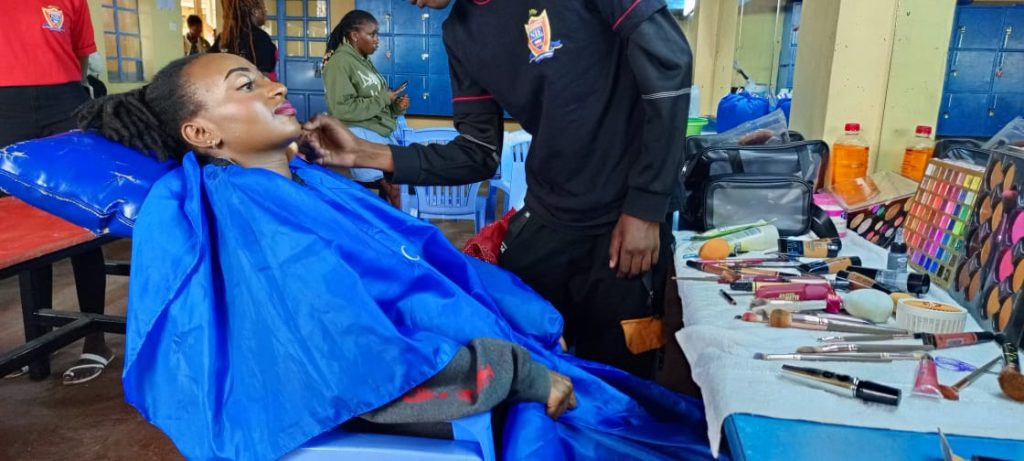
Beauty therapy is a practical and creative career that focuses on personal care, skin care, nail care, make-up and other beauty treatments. It can lead to employment in beauty salons, spas, hotels, resorts and beauty centres, as well as self-employment.
There are different beauty therapy courses in Kenya, ranging from short specialized programmes to certificate and diploma-level training. Some programmes provide broad beauty skills, while others allow students to specialize in areas such as skin care, nails, make-up or spa treatments.
If you are wondering which beauty therapy course is best, the answer depends on your interests and career goals. Someone interested in skin care may choose a facial or beauty therapy programme, while someone who wants to offer a wider range of services may prefer Beauty Therapy and Cosmetology.
This guide covers the best beauty therapy courses in Kenya, entry requirements, duration, approximate fees, what you learn, career opportunities, salary expectations, practical training and self-employment opportunities.
What Are Beauty Therapy Courses?
Beauty therapy courses are practical training programmes that teach students how to provide professional beauty and personal care services.
Depending on the programme, students may learn about:
- Skin care
- Facials
- Manicure and pedicure
- Make-up
- Hair removal
- Body treatments
- Massage
- Nail care
- Beauty products
- Client consultation
- Salon and spa hygiene
- Beauty business management
Beauty therapy training can prepare students to work in:
- Beauty salons
- Spas
- Hotels
- Resorts
- Beauty centres
- Bridal businesses
- Wellness centres
- Fashion and entertainment
- Personal beauty businesses
It can also provide practical skills for starting a beauty salon, mobile beauty service or specialized beauty business.
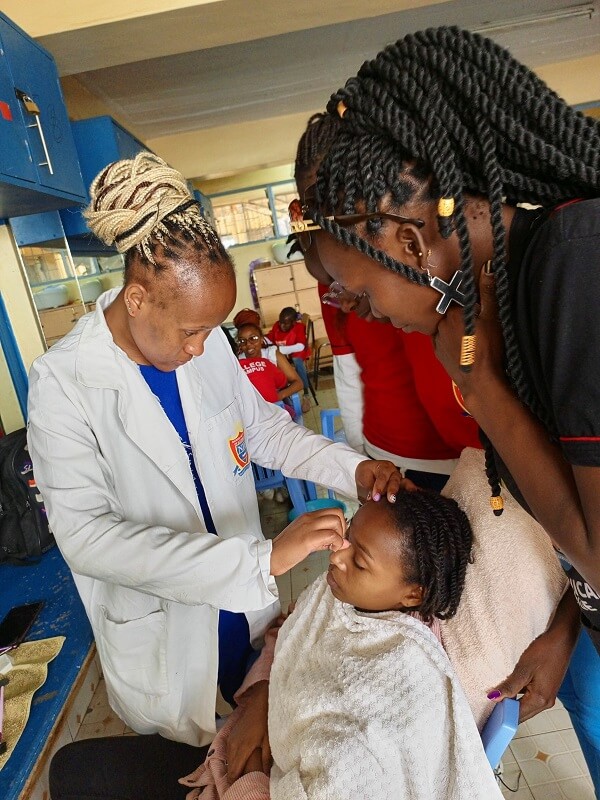
What Do Beauty Therapy Courses Cover?
The exact subjects vary by programme, but common areas include:
- Skin care – Understanding skin types, cleansing and professional skin treatments.
- Facials – Performing professional facial treatments and maintaining healthy-looking skin.
- Manicure and pedicure – Nail care and hand and foot treatments.
- Make-up – Applying make-up for everyday, bridal, photography and special occasions.
- Massage and body treatments – Depending on the programme, students may learn selected massage and body-care techniques.
- Hair removal – Professional hair removal techniques where included in the curriculum.
- Nail technology – Nail enhancement, decoration and maintenance in specialized programmes.
- Beauty product knowledge – Understanding products and their appropriate use.
- Client consultation – Assessing client needs and recommending suitable beauty services.
- Salon hygiene – Maintaining clean and safe beauty treatment environments.
- Customer service – Communicating professionally and building relationships with clients.
- Beauty business management – Managing appointments, stock, pricing, marketing and daily operations.
Who Can Study Beauty Therapy?
Beauty therapy courses can be suitable for:
- KCSE graduates
- Students looking for practical career training
- People interested in beauty and personal care
- Aspiring beauty therapists
- Make-up artists
- Nail technicians
- Skin care professionals
- Spa workers
- Existing salon workers seeking additional skills
- People interested in starting beauty businesses
- People looking for short practical courses
You do not necessarily need to start with an advanced qualification. Depending on your academic qualifications and career goals, you can begin with a suitable short course, artisan programme or certificate and progress later.
Best Beauty Therapy Courses in Kenya
There are several beauty-related programmes you can consider depending on the area you want to specialize in.
| Beauty Therapy Course | Main Focus | Typical Level | Best For |
|---|---|---|---|
| Beauty Therapy | Broad beauty and personal care | Certificate/Diploma | Aspiring beauty therapists |
| Beauty Therapy & Hairdressing | Hair and beauty services | Certificate/Diploma | Salon professionals |
| Beauty Therapy & Cosmetology | Beauty, cosmetics and personal care | Certificate/Diploma | Beauty professionals |
| Skin Care & Facial Therapy | Skin care and facial treatments | Short Course/Certificate | Skin care specialists |
| Nail Technology | Nail care and nail enhancements | Short Course/Certificate | Nail technicians |
| Make-up Artistry | Professional make-up | Short Course/Certificate | Make-up artists |
| Massage Therapy | Massage and body treatments | Short Course/Certificate | Massage and spa professionals |
| Spa Therapy | Spa and wellness treatments | Certificate/Diploma | Spa professionals |
| Beauty Therapy & Salon Management | Beauty services and business | Certificate/Diploma | Aspiring salon owners |
The best course depends on whether you want general beauty training or specialization in a particular service.
1. Beauty Therapy Course
A general Beauty Therapy course provides foundational training in several areas of beauty and personal care.
It can be a good option for beginners who want to develop a broad range of skills before specializing.
What Do You Learn?
Depending on the programme, students may learn:
- Skin care
- Facial treatments
- Manicure
- Pedicure
- Make-up
- Hair removal
- Body treatments
- Basic massage
- Beauty product knowledge
- Client consultation
- Salon hygiene
- Customer service
Career Opportunities
Graduates can work as:
- Beauty therapist
- Beauty assistant
- Facial therapist
- Nail technician
- Make-up artist
- Spa assistant
- Beauty consultant
With additional experience and training, they can progress into specialist and supervisory positions.
2. Beauty Therapy and Hairdressing
Beauty Therapy and Hairdressing combines beauty services with hair care and styling.
It is suitable for students who want to work in a salon and provide clients with several personal care services.
Areas Covered
Students may learn:
- Hairdressing
- Hair styling
- Hair cutting
- Braiding
- Hair treatments
- Skin care
- Facials
- Manicure and pedicure
- Make-up
- Beauty treatments
- Salon hygiene
- Customer care
Career Opportunities
Graduates can work as:
- Beauty therapist
- Hairdresser
- Hair stylist
- Nail technician
- Make-up artist
- Salon assistant
- Beauty consultant
This broader skill set can also be useful for someone planning to establish a full-service salon.
3. Beauty Therapy and Cosmetology
Cosmetology covers a broader range of beauty and personal care services.
A Beauty Therapy and Cosmetology programme can be suitable for someone who wants to build a career across different areas of the beauty industry.
What May You Learn?
Depending on the programme:
- Skin care
- Facial treatments
- Make-up
- Hairdressing
- Hair styling
- Nail care
- Manicure and pedicure
- Hair removal
- Beauty products
- Client consultation
- Salon management
Career Opportunities
Graduates may work in:
- Beauty salons
- Spas
- Hotels
- Resorts
- Beauty centres
- Bridal businesses
- Personal beauty businesses
They can also become self-employed beauty professionals.
4. Skin Care and Facial Therapy
Skin care is an important area of beauty therapy, and specialized training can prepare students to provide professional facial and skin-care services.
What Do You Learn?
Training may include:
- Skin analysis
- Cleansing
- Exfoliation
- Facial treatments
- Masks
- Moisturizing
- Skin-care products
- Client consultation
- Facial massage
- Hygiene and sanitation
Students may also learn how to identify when a client should be referred to an appropriate medical professional rather than attempting to treat a medical skin condition themselves.
Career Opportunities
You can work as:
- Facial therapist
- Skin care therapist
- Beauty therapist
- Spa therapist
- Beauty consultant
You can also offer specialized facial services as part of a beauty business.
5. Nail Technology
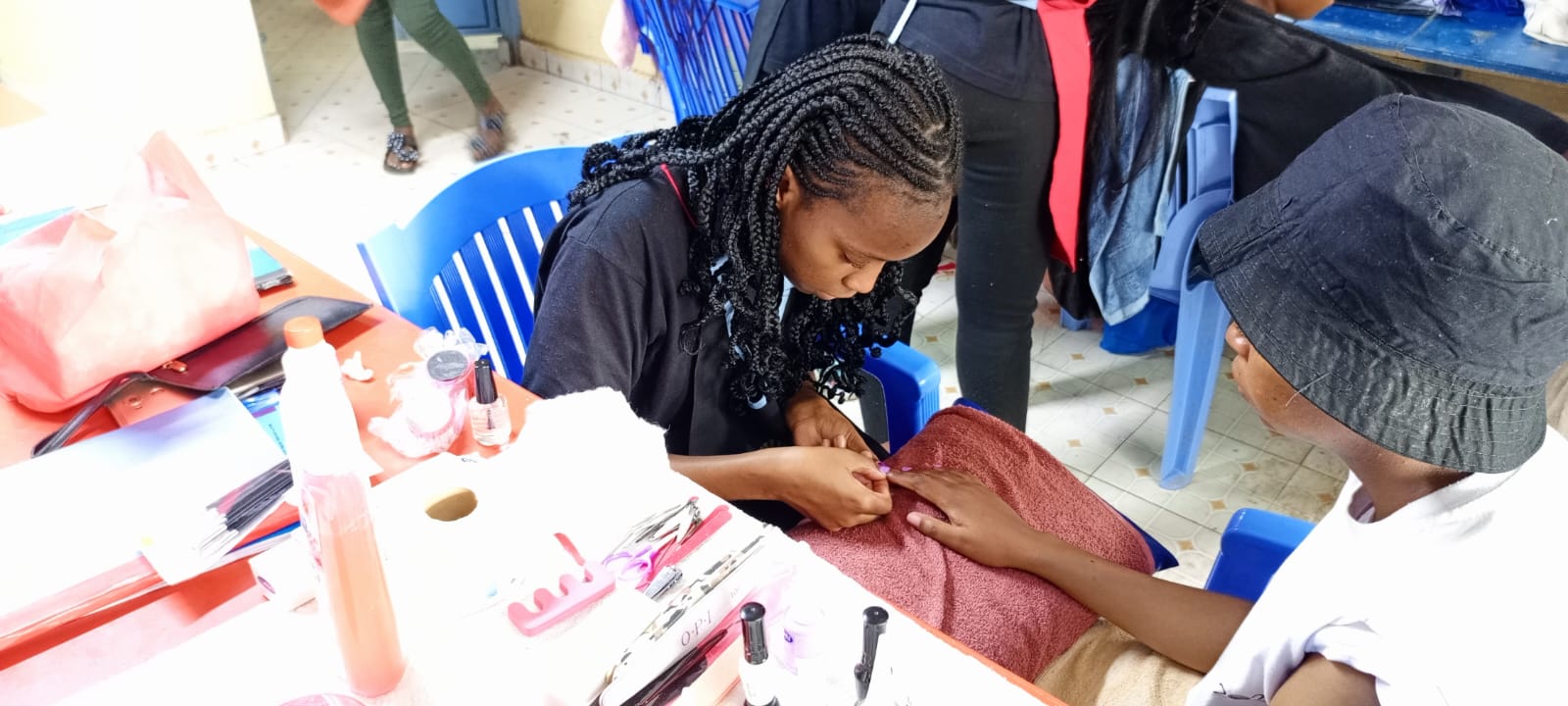 Nail Technology focuses on professional nail care, nail enhancement and nail design.
It can be suitable for students who want to specialize in nails rather than offering a broad range of beauty treatments.
What Do You Learn?
Depending on the programme:
- Manicure
- Pedicure
- Nail shaping
- Nail polish application
- Nail art
- Nail extensions
- Nail enhancement
- Nail maintenance
- Nail hygiene
- Client care
Career Opportunities
Graduates can work as:
- Nail technician
- Manicurist
- Pedicurist
- Nail artist
- Salon nail specialist
They can also establish a specialized nail business or offer mobile nail services.
6. Make-up Artistry
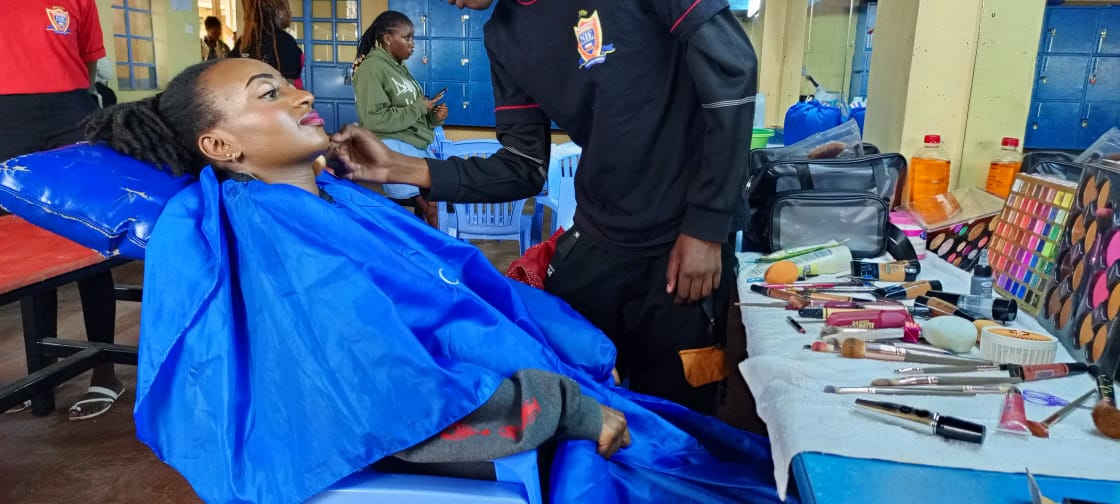 Make-up Artistry focuses on professional make-up application for different clients and occasions.
It can be particularly suitable for creative people who want to work in beauty, bridal, fashion or entertainment.
Areas Covered
Students may learn:
- Basic make-up
- Bridal make-up
- Event make-up
- Photography make-up
- Colour matching
- Skin preparation
- Make-up tools
- Product selection
- Make-up hygiene
- Client consultation
Career Opportunities
Graduates can work as:
- Make-up artist
- Bridal make-up artist
- Beauty consultant
- Fashion make-up artist
- Photography make-up artist
- Freelance make-up artist
A strong portfolio is particularly important for freelance make-up artists.
7. Massage Therapy
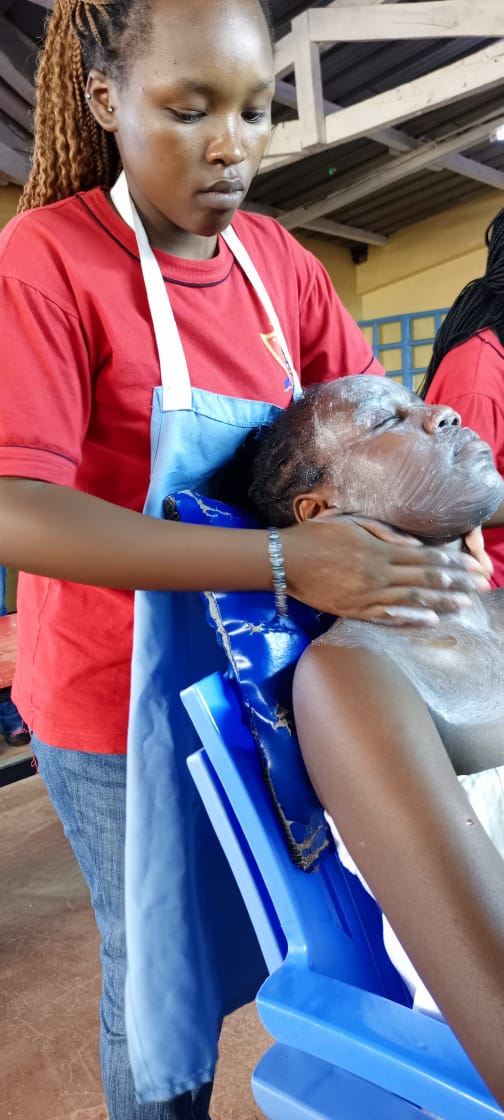 Massage-related training may be included in broader beauty therapy programmes or offered as a specialized course.
The focus is on professional massage and body-care techniques within the scope of the training programme.
What Do You Learn?
Depending on the programme:
- Basic massage techniques
- Client preparation
- Body-care procedures
- Massage equipment
- Hygiene
- Professional ethics
- Client communication
Students should understand the difference between beauty and wellness massage services and medical treatment. Medical conditions should be handled by appropriately qualified healthcare professionals.
Career Opportunities
Graduates may work in:
- Spas
- Hotels
- Resorts
- Wellness centres
- Beauty centres
- Personal wellness businesses
8. Spa Therapy
Spa Therapy combines beauty, relaxation and wellness services.
It can be suitable for people who want to work in spas, hotels, resorts and wellness businesses.
What Do You Learn?
Depending on the programme:
- Spa operations
- Facial treatments
- Body treatments
- Massage
- Skin care
- Client care
- Hygiene
- Spa product knowledge
- Treatment preparation
Career Opportunities
Graduates can work as:
- Spa therapist
- Beauty therapist
- Facial therapist
- Massage therapist
- Spa assistant
- Wellness professional
9. Beauty Therapy and Salon Management
If you plan to own a beauty business, technical beauty skills should be combined with business and management knowledge.
Salon management training can cover:
- Business planning
- Customer management
- Staff management
- Stock control
- Pricing
- Appointment management
- Marketing
- Record keeping
- Beauty product management
- Financial management
These skills can help beauty professionals move from being service providers to business owners and salon managers.
Which Beauty Therapy Course Is Best for You?
The best course depends on the services you want to provide.
| Your Career Goal | Course to Consider |
|---|---|
| Become a general beauty therapist | Beauty Therapy |
| Work in a beauty salon | Beauty Therapy / Cosmetology |
| Specialize in skin care | Skin Care & Facial Therapy |
| Become a nail technician | Nail Technology |
| Become a make-up artist | Make-up Artistry |
| Work in a spa | Spa Therapy / Beauty Therapy |
| Become a massage therapist | Massage Therapy |
| Offer hair and beauty services | Beauty Therapy & Hairdressing |
| Open a beauty salon | Beauty Therapy + Salon Management |
| Start a mobile beauty business | Beauty Therapy / Specialized Short Course |
| Learn one beauty skill quickly | Short Beauty Course |
Beauty Therapy Courses: Entry Requirements in Kenya
Entry requirements vary depending on the programme, qualification level and examining or awarding body.
Beauty therapy programmes are available at different levels, including short courses, artisan programmes, certificates and diplomas.
| Qualification Level | Typical Entry Level | Suitable For |
|---|---|---|
| Short Course | Varies by programme | Beginners and skill specialization |
| Artisan/Grade | Varies by programme | Foundational practical training |
| Certificate | Often KCSE D plain or equivalent | Entry-level professional training |
| Diploma | Often higher KCSE grade or relevant certificate | Advanced training and progression |
These are general guidelines. Students should confirm the exact requirements for the specific programme before applying.
Can I Do Beauty Therapy With a D Plain?
Yes. Students with a D plain may qualify for certain beauty therapy, cosmetology and related certificate programmes.
Depending on the programme, students may also begin at an appropriate lower qualification level and progress with further training.
Can I Study Beauty Therapy After KCSE?
Yes. KCSE graduates can pursue beauty therapy courses at different qualification levels depending on their grades.
Students who do not qualify for a higher-level programme can consider appropriate certificate, artisan or short-course options.
How Long Do Beauty Therapy Courses Take in Kenya?
The duration depends on the programme, qualification level, curriculum and mode of study.
| Programme Type | Approximate Duration |
|---|---|
| Short beauty course | Several weeks to several months |
| Artisan/Grade programme | Several months to about 1 year |
| Certificate | About 1–2 years |
| Diploma | About 2–3 years |
Specialized courses such as nail technology, make-up artistry or facial therapy can be shorter than a comprehensive beauty therapy qualification.
If your goal is long-term employment or business ownership, consider the breadth of skills and qualification you will gain rather than choosing a course solely because it is shorter.
How Much Do Beauty Therapy Courses Cost in Kenya?
Beauty therapy course fees vary according to the programme, qualification level, training institution, duration and practical requirements.
Specialized short courses generally have a lower total cost than comprehensive certificate or diploma programmes.
| Programme Type | General Fee Consideration |
|---|---|
| Short beauty course | Lower overall cost |
| Artisan/Grade programme | Varies by programme |
| Certificate | Moderate training cost |
| Diploma | Higher overall training cost |
| Specialized beauty course | Depends on duration and materials |
When comparing beauty therapy course fees in Kenya, ask whether the quoted fees include:
- Tuition
- Registration
- Examination fees
- Practical materials
- Beauty products
- Equipment
- Uniform
- Training materials
- Certification fees
Some beauty courses require students to purchase or provide personal tools and products, so factor these costs into your budget.
What Do You Learn in a Beauty Therapy Course?
Beauty therapy combines practical treatment skills with knowledge of hygiene, products and customer care.
Skin Care
Students may learn:
- Skin types
- Skin analysis
- Cleansing
- Exfoliation
- Moisturizing
- Skin-care products
- Basic facial treatments
Facial Treatments
Training may include:
- Facial cleansing
- Exfoliation
- Facial masks
- Facial massage
- Moisturizing
- Treatment preparation
- Client consultation
Manicure and Pedicure
Students learn how to provide professional hand and foot care, including:
- Nail shaping
- Cuticle care
- Nail polishing
- Manicure
- Pedicure
- Nail hygiene
Make-up
Students may learn:
- Skin preparation
- Foundation application
- Colour matching
- Eye make-up
- Bridal make-up
- Event make-up
- Make-up hygiene
Hair Removal
Depending on the programme, students may learn professional hair-removal techniques and appropriate client-care procedures.
Massage and Body Treatments
Broader programmes may include:
- Basic massage
- Body-care treatments
- Treatment preparation
- Client consultation
- Hygiene
Beauty Products
Students learn about different beauty products and how they are used within professional beauty services.
Customer Service
Beauty professionals work directly with clients, making communication and customer care important skills.
Students may develop:
- Client consultation
- Communication
- Professional conduct
- Complaint handling
- Customer retention
Salon and Spa Hygiene
Students learn how to:
- Clean work areas
- Sanitize equipment
- Maintain personal hygiene
- Handle products safely
- Protect clients during treatments
Practical Training in Beauty Therapy
Beauty therapy is a hands-on profession, so practical training should be an important part of your course.
Students need opportunities to practice treatments rather than relying entirely on classroom theory.
Practical sessions may cover:
- Facials
- Manicure and pedicure
- Make-up
- Skin care
- Hair removal
- Massage
- Beauty consultations
- Salon hygiene
Practical experience helps students develop confidence, precision, customer-handling skills and professional standards.
Where applicable, industrial attachment can provide additional exposure to real salons, spas, hotels or beauty centres.
When comparing beauty therapy programmes, ask how much practical training is included.
Beauty Therapy vs Hairdressing: What’s the Difference?
Beauty Therapy and Hairdressing are both part of the beauty industry, but they focus on different services.
| Beauty Therapy | Hairdressing |
|---|---|
| Skin care | Hair care |
| Facials | Hair cutting |
| Manicure and pedicure | Hair styling |
| Make-up | Braiding |
| Hair removal | Hair colouring |
| Body treatments | Hair treatments |
| Massage may be included | Scalp care |
| Spa services | Hair extensions |
If you mainly want to work with skin, nails, make-up and beauty treatments, Beauty Therapy may be the better option.
If your main interest is hair cutting, styling, braiding and hair treatments, Hairdressing is more suitable.
If you want to offer a wider range of salon services, consider a programme that combines both.
Beauty Therapy vs Cosmetology: What’s the Difference?
The terms can overlap, but cosmetology is generally broader and may combine several areas of beauty and personal care.
| Beauty Therapy | Cosmetology |
|---|---|
| Strong focus on beauty treatments | Broader beauty and cosmetic training |
| Skin care | Hair, skin and nails |
| Facials | Hairdressing |
| Manicure and pedicure | Make-up |
| Body treatments | Nail services |
| Spa treatments | Beauty services |
| Client care | Product and cosmetic knowledge |
The actual content depends on the programme, so always check the curriculum rather than relying only on the course title.
Career Opportunities After Studying Beauty Therapy
Beauty therapy can lead to opportunities across the personal care and hospitality industries.
Beauty Salons
Graduates can work as:
- Beauty therapists
- Facial therapists
- Nail technicians
- Make-up artists
- Beauty assistants
Spas
Spas can employ professionals in:
- Facial treatments
- Massage
- Body treatments
- Beauty therapy
- Client care
Hotels and Resorts
Hotels and resorts may have beauty salons, spas or wellness facilities where trained beauty professionals can work.
Bridal and Events
Beauty therapists can specialize in:
- Bridal make-up
- Nail services
- Pre-wedding beauty treatments
- Event make-up
- Beauty preparation
Fashion and Entertainment
Specialized make-up artists and beauty professionals may work in:
- Photography
- Television
- Film
- Fashion
- Theatre
- Advertising
A strong portfolio and practical experience can be particularly valuable in these areas.
Beauty Therapy Salary in Kenya
Beauty therapy earnings vary depending on experience, specialization, employer, location, number of clients and whether you are employed or self-employed.
An entry-level beauty assistant may have different earning potential from an experienced beauty therapist, make-up artist, nail technician or salon manager.
Factors affecting earnings include:
- Qualification
- Experience
- Specialization
- Location
- Employer
- Service prices
- Number of clients
- Business ownership
Specialized skills such as professional make-up, nail technology, skin care, bridal services and spa treatments can help professionals differentiate themselves.
Self-employed beauty professionals have a different income model because earnings depend on customer numbers, pricing, operating expenses and business profitability.
Can You Start a Beauty Business After Studying?
Yes. Beauty therapy is particularly suitable for self-employment because many services can be offered from a salon, home studio, mobile setup or rented treatment space.
Start a Beauty Salon
A salon can offer services such as:
- Facials
- Manicure
- Pedicure
- Make-up
- Hair removal
- Skin care
- Body treatments
Start a Nail Business
You can specialize in:
- Manicure
- Pedicure
- Nail art
- Nail extensions
- Nail maintenance
Become a Mobile Beauty Therapist
You can travel to clients’ homes, offices or event venues to provide services.
Start a Bridal Beauty Business
Offer services to:
- Brides
- Bridesmaids
- Wedding guests
- Graduation clients
- Event clients
Start a Make-up Business
You can specialize in:
- Bridal make-up
- Event make-up
- Photography
- Fashion
- Television and entertainment
Sell Beauty Products
With appropriate business knowledge, you can also sell:
- Skin-care products
- Nail products
- Make-up
- Beauty accessories
- Hair and beauty products
Skills Needed to Run a Beauty Business
In addition to technical beauty skills, entrepreneurs need:
- Pricing
- Stock management
- Marketing
- Customer service
- Appointment management
- Bookkeeping
- Product management
- Business planning
- Hygiene and safety
- Staff management
Beauty Therapy Course Progression in Kenya
Beauty therapy can provide a foundation for further training and specialization.
A simplified pathway is:
Short Course/Artisan → Certificate → Diploma → Further Specialization
After completing basic training, you can add specialized skills in:
- Nail technology
- Make-up artistry
- Skin care
- Facial therapy
- Massage
- Spa therapy
- Hairdressing
- Hair extensions
- Salon management
Combining formal training, specialized skills and practical experience can help you progress into senior, supervisory or business-owner roles.
Short Beauty Therapy Courses in Kenya
Short courses can be useful if you want to develop a particular beauty skill without taking a full certificate or diploma programme.
Examples include:
- Make-up artistry
- Nail technology
- Manicure and pedicure
- Facial therapy
- Skin care
- Massage
- Spa therapy
- Hair removal
- Eyelash and beauty enhancement services where offered
- Salon management
They may be suitable for:
- Beginners
- Existing beauty workers
- Entrepreneurs
- People changing careers
- Professionals adding new services
- People interested in starting a small beauty business
For broader career progression, consider whether a recognized certificate or diploma would provide a stronger foundation.
How to Choose the Right Beauty Therapy Course
Before enrolling, consider the following:
1. Your Career Goal
Do you want to become a general beauty therapist, make-up artist, nail technician, skin-care specialist, spa therapist or salon owner?
2. Your KCSE Grade
Choose a programme that matches your academic qualifications.
3. Course Content
Check the actual subjects and treatments covered.
4. Practical Training
Beauty therapy requires hands-on practice. Find out how much practical work is included.
5. Duration
Choose a programme that fits your available time.
6. Total Cost
Consider tuition, examinations, beauty products, tools, uniforms and certification.
7. Equipment and Facilities
Check whether students have access to suitable beauty equipment and practice materials.
8. Industrial Attachment
Where applicable, workplace experience can help you gain confidence and understand professional salon or spa operations.
9. Certification and Recognition
Find out which qualification and awarding or examining body you will receive your certification from.
10. Specialization Opportunities
Consider whether the programme allows you to build additional skills in areas that interest you.
11. Entrepreneurship Opportunities
If you plan to open your own beauty business, consider programmes that include salon management and business skills.
How to Check Whether a Beauty Therapy Course Is Recognized
Before paying fees, establish what qualification you will receive at the end of the programme.
Consider checking:
- The awarding or examining body
- Whether the programme is appropriately recognized or approved
- Examination arrangements
- Certification
- Progression opportunities
- Whether the qualification is suitable for your intended career
Recognition is especially important if you plan to use the qualification for employment or further education.
Beauty Therapy Course Intakes and Application
Beauty therapy programmes can have different intake periods depending on the training institution and qualification.
Before applying, confirm:
- Intake dates
- Entry requirements
- Course duration
- Fees
- Practical training requirements
- Required documents
- Examination arrangements
Common application documents may include:
- KCSE certificate or result slip
- Identification documents
- Passport-size photographs
- Previous academic certificates where applicable
- Completed application form
Requirements vary by programme, so confirm the details before applying.
Frequently Asked Questions About Beauty Therapy Courses
What are beauty therapy courses?
Beauty therapy courses are practical programmes that train students in areas such as skin care, facials, manicure and pedicure, make-up, hair removal, body treatments, massage and salon or spa operations.
Which are the best beauty therapy courses in Kenya?
Popular options include Beauty Therapy, Beauty Therapy and Hairdressing, Beauty Therapy and Cosmetology, Skin Care and Facial Therapy, Nail Technology, Make-up Artistry, Massage Therapy, Spa Therapy and Salon Management.
Which beauty therapy course is best for beginners?
A general Beauty Therapy course can be a good starting point because it provides a broad foundation in different beauty services before you specialize.
Can I do Beauty Therapy with a D plain?
Yes. A D plain may qualify you for certain beauty therapy and related certificate programmes, depending on the specific course requirements.
What are the requirements for a beauty therapy course?
Requirements vary by qualification. Short courses may have minimal academic requirements, while certificate and diploma programmes may have specific KCSE or previous qualification requirements.
Can I study Beauty Therapy after KCSE?
Yes. KCSE graduates can pursue beauty therapy programmes at different levels depending on their grades.
How long does a beauty therapy course take in Kenya?
Short beauty courses may take several weeks or months. Certificate programmes can take about one to two years, while diploma programmes may take around two to three years depending on the programme.
How much do beauty therapy courses cost in Kenya?
Fees vary according to the course, qualification, institution, duration and practical requirements. Students should also consider the cost of tools, beauty products, examinations and certification.
What do you learn in a Beauty Therapy course?
You may learn skin care, facials, manicure and pedicure, make-up, hair removal, massage, body treatments, beauty product knowledge, hygiene and customer service.
Is Beauty Therapy a good career in Kenya?
Beauty therapy can provide opportunities in salons, spas, hotels, resorts, beauty centres, bridal businesses and self-employment.
What jobs can I get after studying Beauty Therapy?
Possible careers include beauty therapist, facial therapist, nail technician, make-up artist, spa therapist, beauty consultant and salon assistant.
Can I start a beauty salon after studying Beauty Therapy?
Yes. Beauty therapy training can provide the technical skills needed to offer professional services. You will also need business, financial, marketing and customer-management skills to operate a successful salon.
What is the difference between Beauty Therapy and Hairdressing?
Beauty Therapy focuses more on skin care, nails, make-up, facials and other beauty treatments, while Hairdressing focuses primarily on hair cutting, styling, braiding, colouring and hair treatments.
What is the difference between Beauty Therapy and Cosmetology?
Beauty Therapy generally focuses on professional beauty treatments, while Cosmetology can cover a broader combination of hair, skin, nails, make-up and cosmetic services. The exact content depends on the programme.
Can I specialize after studying Beauty Therapy?
Yes. You can specialize in areas such as skin care, make-up, nail technology, massage, spa therapy, hairdressing or salon management.
Are short Beauty Therapy courses worth it?
Short courses can be useful for learning a specific skill such as make-up, nails, facials or massage. If you want broader career progression, a certificate or diploma may be more appropriate.
Start Your Beauty Therapy Career at NIE College
Beauty therapy can provide more than employment in a salon. With the right training and experience, you can specialize in a particular beauty service, work in spas and hotels, build a freelance career or start your own beauty business.
Before choosing a programme, consider your career goals, entry requirements, course content, duration, fees, practical training, equipment, certification and opportunities for further specialization.
Whether you want to become a beauty therapist, specialize in skin care, become a professional make-up artist or nail technician, work in a spa or eventually own a beauty salon, practical training can give you a strong foundation.
At NIE College, students interested in beauty therapy and related beauty programmes can explore training opportunities designed to develop practical skills for the beauty and personal care industry.
Ready to start your beauty therapy career? Explore the beauty therapy courses available at NIE College and choose a programme that matches your career goals.
Looking for a college to study Beauty Therapy?
Once you have identified the beauty therapy course you want to pursue, the next step is choosing where to study.