
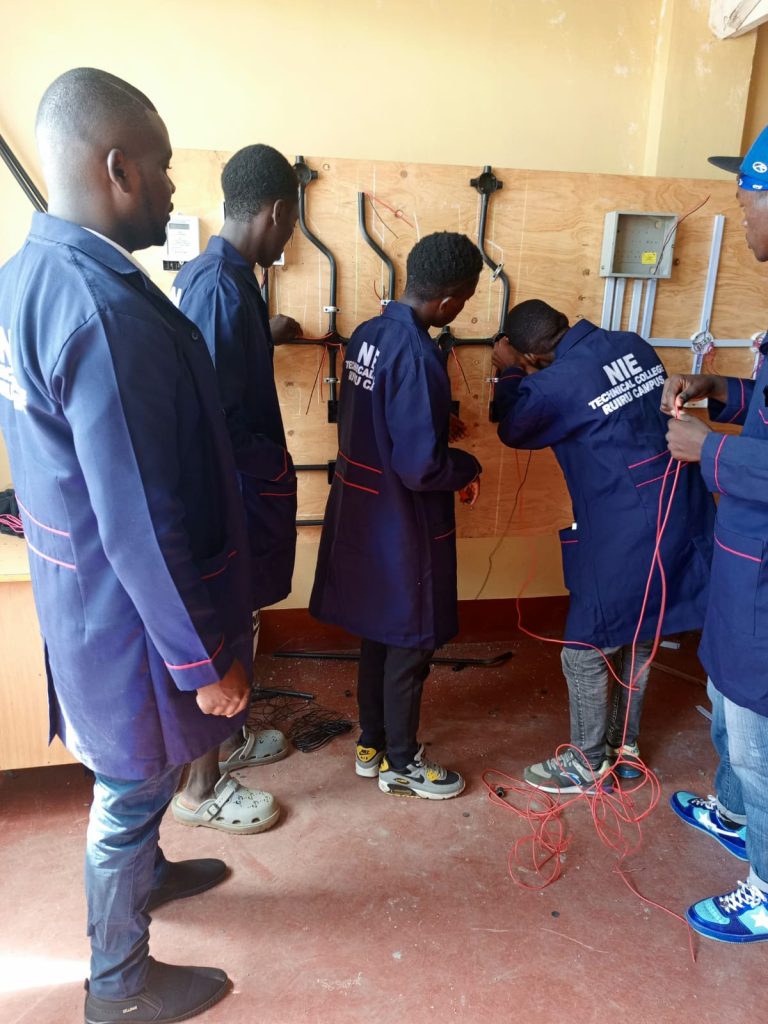
Electrical engineering is a technical field that deals with electricity, electrical systems, electronics, power generation, distribution and electrical equipment. It offers career opportunities across construction, manufacturing, energy, telecommunications, transport, infrastructure and other industries.
For students interested in working with electrical systems, there are several electrical engineering courses in Kenya to choose from. These range from artisan and certificate programmes to diploma and degree-level training.
The best electrical engineering course for you depends on your academic qualifications, career goals and the type of electrical work you want to pursue.
This guide covers the best electrical engineering courses in Kenya, entry requirements, duration, approximate fees, subjects, practical training, career opportunities, salary prospects and self-employment opportunities.
What Are Electrical Engineering Courses?
Electrical engineering courses are technical training programmes that teach students how electrical systems, equipment and installations are designed, installed, maintained, tested and operated.
Depending on the qualification and specialization, students may learn about:
- Electrical installation
- Electrical wiring
- Electrical machines
- Power systems
- Electronics
- Control systems
- Industrial automation
- Electrical measurements
- Renewable energy
- Electrical safety
- Computer-aided design
- Maintenance and troubleshooting
These courses combine theoretical knowledge with practical training to prepare students for careers in electrical and related technical industries.
Who Can Study Electrical Engineering?
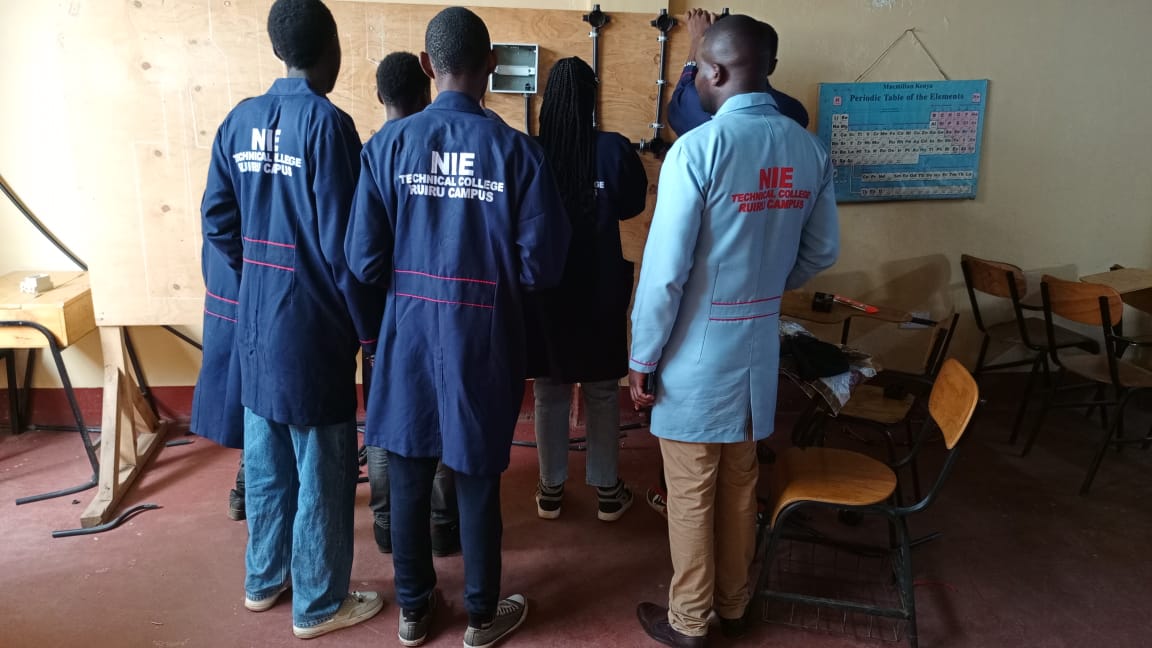 Electrical engineering can be suitable for students who are interested in:
- Electricity and electrical systems
- Engineering and technology
- Construction
- Manufacturing
- Renewable energy
- Industrial equipment
- Electronics
- Electrical maintenance
- Technical problem-solving
The field is also suitable for people looking for practical technical skills that can support employment or self-employment.
Best Electrical Engineering Courses in Kenya
There are several electrical engineering programmes available at different qualification levels.
| Electrical Engineering Course | Main Focus | Suitable For |
|---|---|---|
| Electrical Installation | Wiring and electrical installations | Electricians and technicians |
| Electrical Engineering | Electrical systems and equipment | Aspiring electrical technicians |
| Electrical & Electronic Engineering | Electrical systems and electronics | Electrical/electronics careers |
| Power Engineering | Electricity generation and distribution | Power sector careers |
| Industrial Electrical Engineering | Industrial electrical systems | Manufacturing and industry |
| Electrical Engineering Technology | Applied technical engineering | Technicians and technologists |
| Renewable Energy Engineering | Solar and other energy systems | Renewable energy careers |
| Electronics Engineering | Electronic circuits and systems | Electronics careers |
| Instrumentation and Control | Measurement and automated systems | Industrial careers |
1. Electrical Engineering Course
Electrical Engineering provides broad training in electrical systems and equipment.
Students learn how electrical systems operate and how to install, maintain, test and troubleshoot electrical equipment.
What Do You Learn?
Depending on the programme, subjects may include:
- Electrical installation
- Electrical circuits
- Electrical machines
- Electrical measurements
- Electrical safety
- Power systems
- Electrical drawing
- Electronics
- Control systems
- Maintenance
- Technical mathematics
Career Opportunities
Graduates can work as:
- Electrical technician
- Electrical assistant
- Maintenance technician
- Electrical installer
- Electrical supervisor
- Electrical engineering technician
2. Electrical Installation Course
Electrical Installation focuses heavily on practical electrical wiring and installation work.
It can be a suitable option for students who want to develop practical skills for residential, commercial and industrial electrical installations.
What Do You Learn?
Students may learn:
- Domestic wiring
- Commercial wiring
- Industrial wiring
- Electrical drawings
- Cable installation
- Electrical protection
- Testing and troubleshooting
- Electrical safety
- Installation regulations
Career Opportunities
You can work as:
- Electrical installer
- Electrician
- Electrical technician
- Maintenance electrician
- Electrical assistant
This course can also provide a foundation for starting an electrical installation business, subject to the applicable licensing and regulatory requirements.
3. Electrical and Electronic Engineering
Electrical and Electronic Engineering combines electrical systems with electronics.
This makes it suitable for students interested in both electrical equipment and electronic circuits.
Areas Covered
- Electrical circuits
- Electronic circuits
- Digital electronics
- Electrical machines
- Microprocessors
- Control systems
- Electrical measurements
- Communication systems
- Power systems
Career Opportunities
Graduates can work in:
- Electrical engineering
- Electronics
- Telecommunications
- Manufacturing
- Maintenance
- Automation
4. Power Engineering Course
Power Engineering focuses on the generation, transmission, distribution and utilization of electrical energy.
It can be suitable for students interested in the energy sector.
What Do You Learn?
- Power generation
- Power transmission
- Power distribution
- Electrical machines
- Transformers
- Power protection
- Electrical measurements
- Power system maintenance
- Electrical safety
Career Opportunities
Graduates may work in:
- Power utilities
- Energy companies
- Electrical contractors
- Industrial organizations
- Power generation facilities
5. Industrial Electrical Engineering
Industrial Electrical Engineering focuses on electrical systems used in factories and industrial environments.
Areas Covered
- Industrial wiring
- Motors
- Control systems
- Electrical machines
- Industrial automation
- Motor control
- Electrical maintenance
- Troubleshooting
- Industrial safety
Career Opportunities
Possible roles include:
- Industrial electrician
- Electrical maintenance technician
- Electrical technician
- Automation technician
- Maintenance supervisor
6. Electrical Engineering Technology
Electrical Engineering Technology emphasizes the practical application of electrical engineering principles.
It can prepare students for technical roles involving installation, maintenance, testing and operation of electrical systems.
What Do You Learn?
- Electrical circuits
- Electrical machines
- Electrical installation
- Measurements
- Maintenance
- Control systems
- Power systems
- Technical drawing
Career Opportunities
Graduates can work as:
- Engineering technicians
- Electrical technicians
- Maintenance technicians
- Electrical supervisors
- Technical assistants
7. Renewable Energy Engineering
Renewable energy is an increasingly important area of electrical and energy engineering.
Renewable Energy Engineering may cover technologies such as solar photovoltaic systems and other renewable energy applications.
What Do You Learn?
- Solar PV systems
- Solar installation
- Battery systems
- Energy efficiency
- Renewable energy systems
- Electrical installation
- System maintenance
- Energy management
Career Opportunities
Graduates may work as:
- Solar installation technician
- Renewable energy technician
- Solar maintenance technician
- Energy technician
- Renewable energy sales and technical support professional
8. Electronics Engineering
Electronics Engineering focuses on electronic components, circuits and systems.
What Do You Learn?
- Electronic circuits
- Digital electronics
- Analogue electronics
- Microprocessors
- Electronic measurements
- Communication systems
- Circuit troubleshooting
Career Opportunities
Graduates can work in:
- Electronics repair
- Telecommunications
- Manufacturing
- Automation
- Technical support
- Electronics production
9. Instrumentation and Control
Instrumentation and Control focuses on systems used to measure and control industrial processes.
What Do You Learn?
- Sensors
- Measurement systems
- Control systems
- Industrial automation
- Process control
- Electrical systems
- Instrumentation
- Troubleshooting
Career Opportunities
Graduates can work in:
- Manufacturing
- Processing plants
- Energy
- Industrial automation
- Engineering companies
Which Electrical Engineering Course Is Best for You?
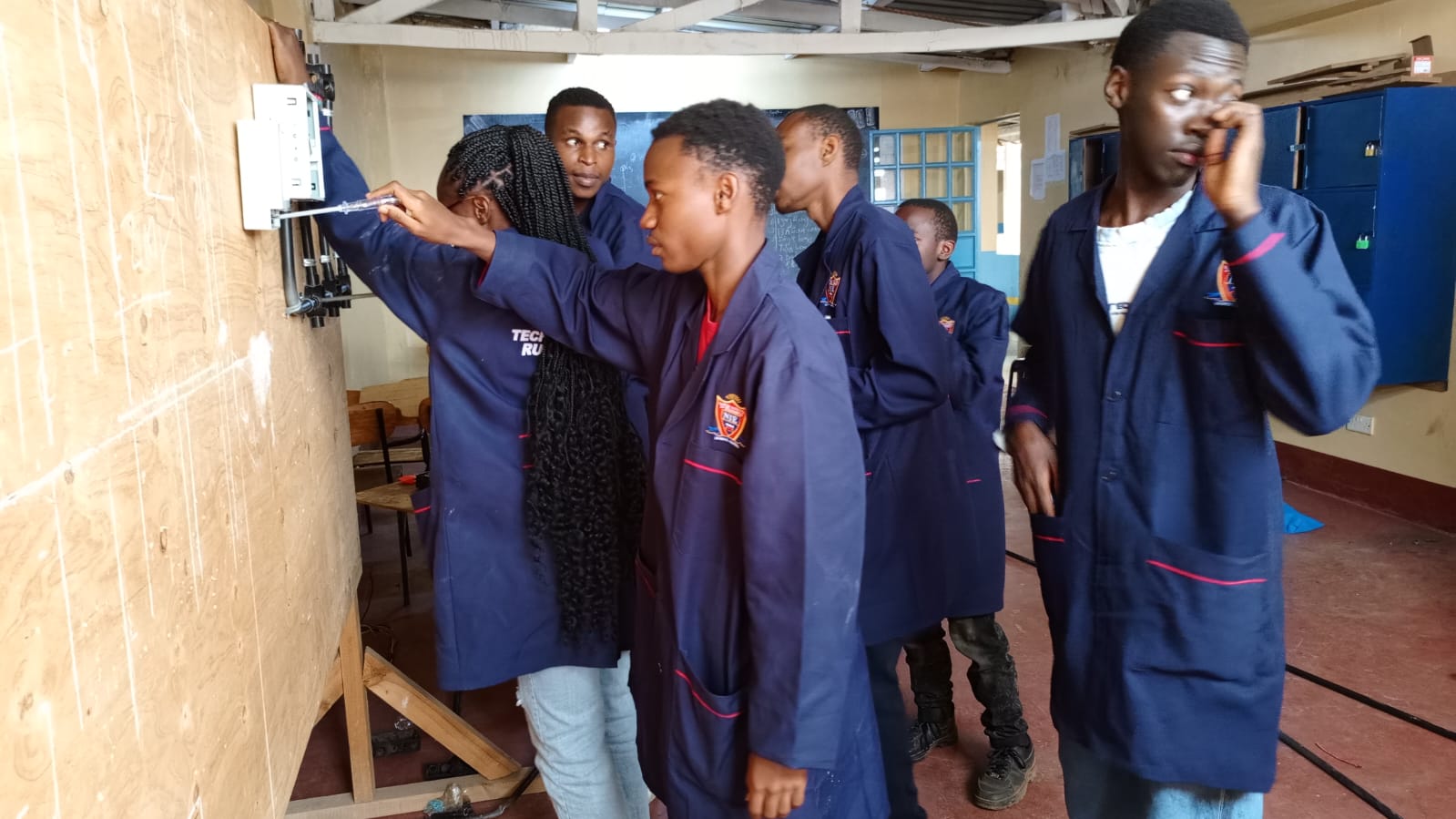 Your best option depends on your career goal.
| Career Goal | Course to Consider |
|---|---|
| Become an electrician | Electrical Installation |
| Work with electrical systems | Electrical Engineering |
| Work with electronics | Electrical & Electronic Engineering |
| Work in the power sector | Power Engineering |
| Work in factories | Industrial Electrical Engineering |
| Work with solar systems | Renewable Energy Engineering |
| Work with electronic circuits | Electronics Engineering |
| Work in industrial automation | Instrumentation & Control |
| Become an electrical technician | Electrical Engineering Technology |
Electrical Engineering Course Entry Requirements in Kenya
Entry requirements vary depending on the qualification level, programme and examining or awarding body.
Electrical engineering training is available at artisan, certificate, diploma and degree levels.
| Qualification Level | General Entry Requirement | Suitable For |
|---|---|---|
| Artisan | Varies by programme | Entry-level practical training |
| Certificate | Often KCSE D plain or equivalent | Technical entry-level training |
| Diploma | Varies by programme | Advanced technical training |
| Degree | KCSE requirements or equivalent | Professional engineering pathway |
These are general guidelines. Always confirm the specific entry requirements for the programme you intend to take.
Can I Study Electrical Engineering With a D Plain?
Yes. Students with a D plain may qualify for certain electrical engineering certificate or artisan programmes, depending on the specific course and institution requirements.
Students can then progress to higher qualifications after meeting the relevant progression requirements.
Can I Study Electrical Engineering After KCSE?
Yes.
KCSE graduates can pursue electrical engineering programmes at different qualification levels depending on their grades.
A student may follow a pathway such as:
Artisan → Certificate → Diploma → Higher Qualification
The appropriate starting point depends on your KCSE results and the requirements of the programme.
How Long Do Electrical Engineering Courses Take in Kenya?
The duration depends on the qualification and specialization.
| Course Level | Approximate Duration |
|---|---|
| Short Electrical Course | Several weeks to several months |
| Artisan | Several months to about 1 year |
| Certificate | About 1–2 years |
| Diploma | About 2–3 years |
| Degree | About 4 years or more |
The exact duration can vary depending on the curriculum, institution, industrial attachment and examination requirements.
How Much Do Electrical Engineering Courses Cost in Kenya?
Electrical engineering course fees in Kenya vary depending on:
- Qualification level
- Programme
- Training institution
- Duration
- Practical requirements
- Examination fees
- Equipment and materials
When comparing electrical engineering courses, don’t consider tuition alone.
Ask whether the quoted fees include:
- Registration
- Tuition
- Examination fees
- Practical materials
- Workshop fees
- Tools
- Protective equipment
- Industrial attachment
- Certification
Electrical training may also require students to purchase personal protective equipment and basic tools.
What Do You Learn in Electrical Engineering Courses?
Electrical engineering combines technical theory with practical training.
Electrical Installation
Students may learn:
- Wiring
- Cable installation
- Electrical protection
- Circuit testing
- Fault finding
- Electrical safety
Electrical Machines
Students may study:
- Motors
- Generators
- Transformers
- Motor controls
Electrical Measurements
Training may cover the use of instruments for measuring:
- Voltage
- Current
- Resistance
- Power
- Electrical continuity
Electronics
Depending on the programme, students may learn:
- Electronic components
- Circuit design
- Digital electronics
- Analogue electronics
- Troubleshooting
Power Systems
Students may learn about:
- Generation
- Transmission
- Distribution
- Protection
- Electrical networks
Control Systems
Students may study:
- Sensors
- Controllers
- Automation
- Industrial control systems
Practical Training in Electrical Engineering
Electrical engineering is a hands-on technical field, making practical training extremely important.
Students should have opportunities to practice:
- Electrical wiring
- Circuit construction
- Equipment testing
- Fault finding
- Electrical measurements
- Installation procedures
- Motor control
- Electrical maintenance
Workshop practice helps students translate theoretical knowledge into practical skills.
Industrial attachment can provide additional exposure to real electrical installations, construction sites, factories, energy companies and engineering businesses.
Electrical Engineering vs Electrical Installation: What’s the Difference?
These fields overlap but have different focuses.
| Electrical Engineering | Electrical Installation |
|---|---|
| Broader engineering field | More focused on installation |
| Electrical systems | Wiring and installations |
| Power systems | Domestic wiring |
| Electrical machines | Commercial wiring |
| Control systems | Installation testing |
| Electronics may be included | Electrical safety |
| Engineering analysis | Practical installation |
If your main goal is to become a skilled electrician focusing on installations, an Electrical Installation course may be suitable.
If you want broader technical training in electrical systems, machines, power or control, consider Electrical Engineering.
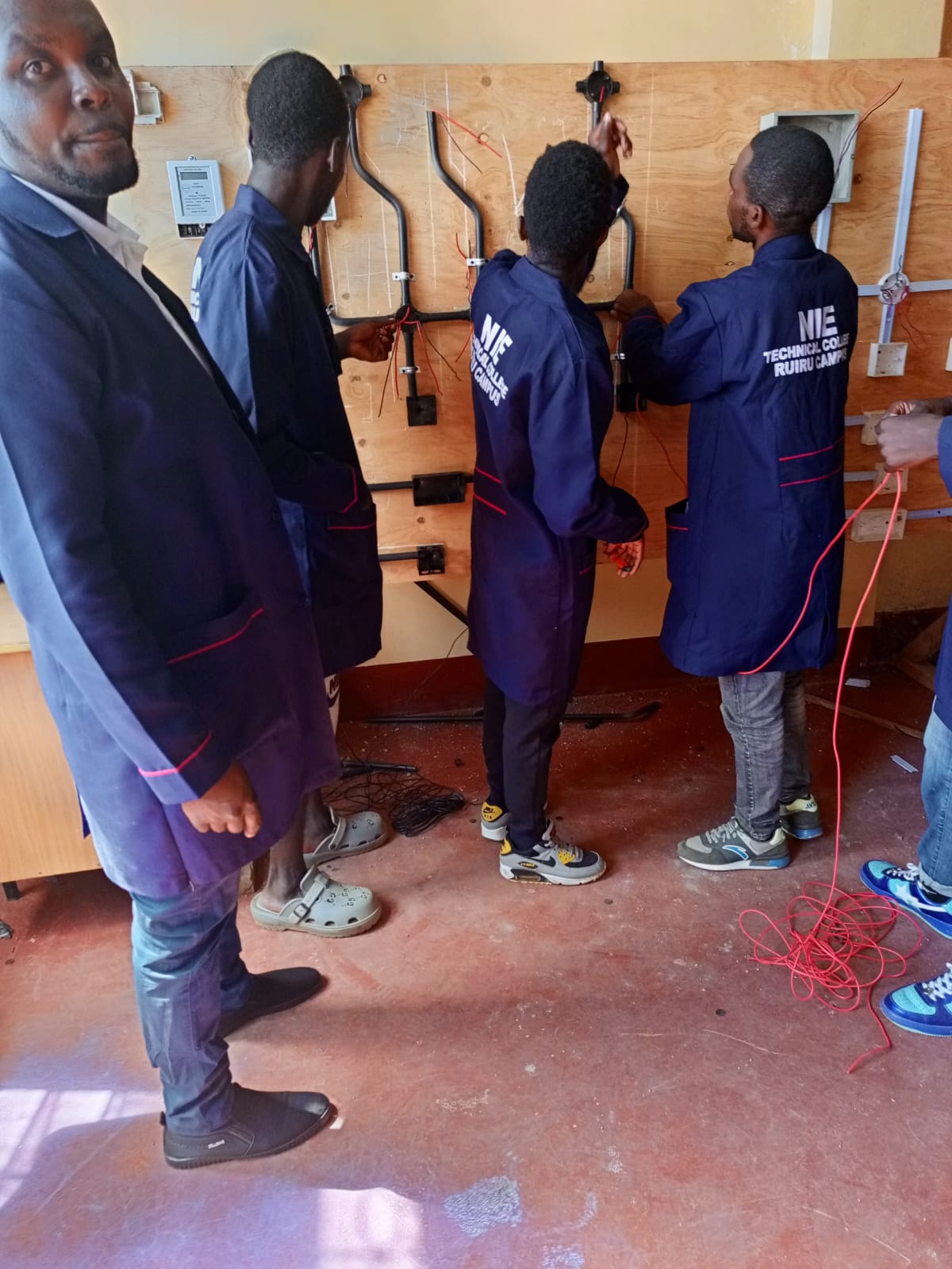
Career Opportunities After Electrical Engineering Courses
Electrical engineering graduates can work across many industries.
Construction
Electrical technicians are required for:
- Building wiring
- Electrical installations
- Maintenance
- Testing
Manufacturing
Factories employ electrical professionals for:
- Machine maintenance
- Electrical systems
- Automation
- Troubleshooting
Energy
Career opportunities can exist in:
- Power generation
- Transmission
- Distribution
- Renewable energy
Telecommunications
Electrical and electronics professionals may work with:
- Communication equipment
- Power systems
- Network infrastructure
- Technical maintenance
Engineering Companies
Graduates can work for companies providing:
- Electrical installations
- Maintenance
- Engineering services
- Technical support
Electrical Engineering Jobs in Kenya
Possible career positions include:
- Electrical technician
- Electrical installer
- Electrician
- Electrical maintenance technician
- Industrial electrician
- Engineering technician
- Solar technician
- Electronics technician
- Automation technician
- Electrical supervisor
- Maintenance supervisor
Higher-level roles depend on qualifications, experience and applicable professional or regulatory requirements.
Electrical Engineering Salary in Kenya
Electrical engineering earnings vary according to:
- Qualification
- Experience
- Specialization
- Employer
- Location
- Industry
- Job responsibilities
An entry-level electrical assistant will generally have different earning potential from an experienced electrical technician or supervisor.
Specializations such as industrial automation, power systems, renewable energy and electrical maintenance can provide additional career pathways.
Self-employed electricians and contractors have a different income structure because their earnings depend on the projects they secure, pricing, operating costs and regulatory requirements.
Can You Start an Electrical Business After Studying?
Yes, electrical skills can provide opportunities for self-employment.
Possible businesses include:
- Electrical installation services
- Electrical maintenance
- Solar installation
- Electrical repairs
- Wiring services
- Electrical equipment sales
- Industrial maintenance services
However, electrical work is a regulated and safety-sensitive profession. Before offering electrical installation services commercially, ensure you meet the applicable licensing, registration and safety requirements.
Short Electrical Engineering Courses in Kenya
Short technical courses can help students and working professionals develop specific electrical skills.
Examples include:
- Electrical installation
- Domestic wiring
- Solar installation
- Electrical maintenance
- Basic electronics
- Motor control
- Industrial electrical systems
Short courses are useful for people who want to acquire a specific practical skill.
For broader career progression, consider an appropriate certificate or diploma programme.
How to Choose the Right Electrical Engineering Course
Before enrolling in electrical engineering courses, consider:
1. Your Career Goal
Do you want to become an electrician, electrical technician, solar technician, industrial technician or pursue a broader engineering career?
2. Your KCSE Grade
Choose a qualification that matches your academic qualifications.
3. Course Content
Check whether the programme covers the technical areas you want to specialize in.
4. Practical Training
Electrical engineering requires hands-on experience. Find out how much workshop and practical training is included.
5. Equipment
Check whether students have access to appropriate electrical laboratories and workshops.
6. Course Duration
Choose a programme that fits your career plans and available time.
7. Total Fees
Consider tuition, examination fees, tools, protective equipment and practical materials.
8. Certification
Find out which awarding or examining body provides the qualification.
9. Industrial Attachment
Workplace exposure can help you develop practical skills and understand industry expectations.
10. Licensing and Progression
If you intend to work as an electrician or electrical contractor, understand the applicable professional and regulatory requirements.
How to Check Whether an Electrical Engineering Course Is Recognized
Before enrolling, establish:
- The awarding or examining body
- Whether the programme is appropriately recognized
- Examination requirements
- Certification
- Progression opportunities
- Practical assessment arrangements
For TVET-related programmes, you can check regulatory information through TVET Authority and qualification information through Kenya National Qualifications Authority.
For electrical installation licensing and regulatory information, students and practitioners should also consult the relevant energy-sector regulator, Energy and Petroleum Regulatory Authority (EPRA).
Electrical Engineering Course Intakes and Application
Intake dates vary depending on the programme and institution.
Before applying, confirm:
- Intake dates
- Entry requirements
- Course duration
- Fees
- Required documents
- Practical training arrangements
- Examination requirements
Common application documents may include:
- KCSE certificate or result slip
- Identification documents
- Passport-size photographs
- Previous certificates where applicable
- Completed application form
Frequently Asked Questions About Electrical Engineering Courses
What are electrical engineering courses?
Electrical engineering courses train students in electrical systems, installations, machines, electronics, power systems, maintenance, control systems and related technical areas.
Which are the best electrical engineering courses in Kenya?
Popular options include Electrical Engineering, Electrical Installation, Electrical and Electronic Engineering, Power Engineering, Industrial Electrical Engineering, Electrical Engineering Technology, Renewable Energy Engineering and Electronics Engineering.
Can I study electrical engineering with a D plain?
Yes. A D plain may qualify you for certain artisan and certificate-level electrical programmes, depending on the specific requirements.
What are the requirements for electrical engineering courses?
Requirements depend on the qualification level. Artisan and certificate programmes generally have lower entry requirements than diploma and degree programmes.
How long do electrical engineering courses take in Kenya?
Short courses may take several weeks or months, certificates about one to two years, diplomas around two to three years and degree programmes about four years or more.
How much do electrical engineering courses cost in Kenya?
Fees vary according to the programme, qualification level, institution, duration and practical requirements.
What do you learn in electrical engineering?
Students may learn electrical installation, circuits, electrical machines, measurements, electronics, power systems, control systems, maintenance and electrical safety.
Is electrical engineering a good career in Kenya?
Electrical engineering can offer opportunities in construction, manufacturing, energy, telecommunications, renewable energy, maintenance and engineering services.
What jobs can I get after studying electrical engineering?
Possible careers include electrical technician, electrician, electrical installer, maintenance technician, industrial electrician, solar technician, electronics technician and engineering technician.
Can I start an electrical business after studying?
Yes, depending on your qualification, experience and applicable licensing and regulatory requirements. Possible businesses include electrical installation, maintenance, solar installation and electrical repair services.
What is the difference between electrical engineering and electrical installation?
Electrical engineering is a broader field covering electrical systems, machines, power, control and related technologies. Electrical installation focuses more specifically on wiring, installation, testing and maintenance of electrical systems.
Can I specialize after studying electrical engineering?
Yes. Possible areas include power engineering, renewable energy, industrial automation, electronics, instrumentation and control, and electrical maintenance.
Start Your Electrical Engineering Career at NIE College
Electrical engineering can provide a practical pathway into a wide range of technical careers. From electrical installation and maintenance to renewable energy, industrial systems and power-related careers, there are several areas in which you can specialize.
Before choosing among electrical engineering courses, consider your academic qualifications, career goals, course content, practical training, duration, fees, certification and progression opportunities.
Whether you want to become an electrician, electrical technician, solar technician or pursue a broader electrical engineering career, practical training can give you a strong foundation.
Ready to start your electrical engineering career? Explore the electrical engineering courses available at NIE College and choose a programme that matches your career goals.
Looking for a college to study Electrical Engineering?
Once you have identified the right programme, the next step is choosing where to study.
