
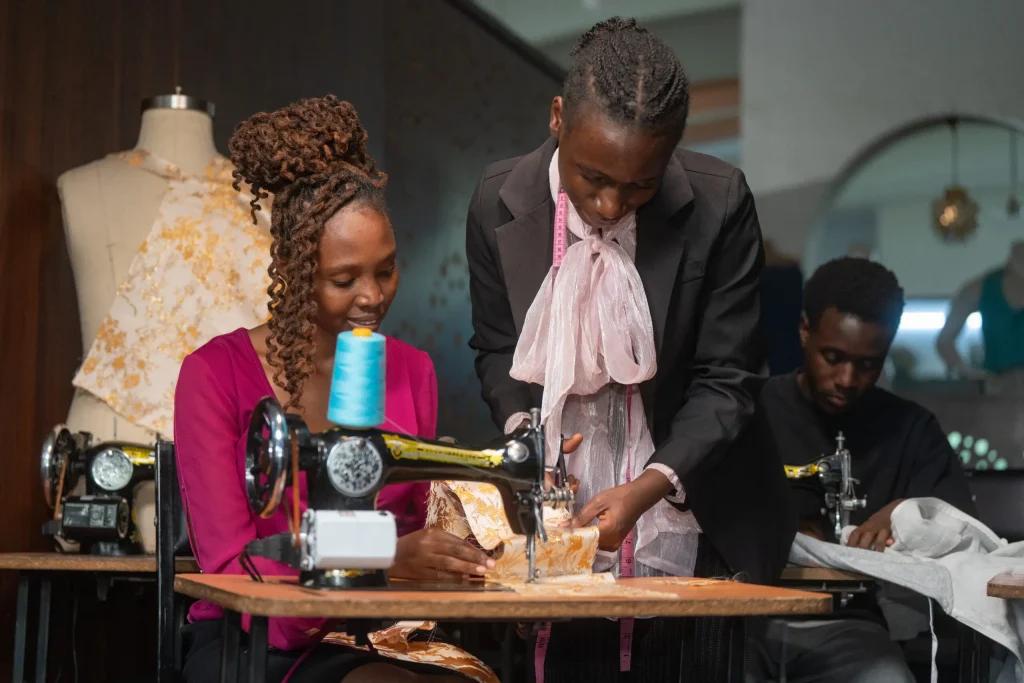
Fashion and design is a creative and practical career field that combines design, textiles, garment construction, styling and business skills. With the growth of fashion brands, tailoring businesses, clothing stores, bridal wear and online fashion businesses, fashion and design courses in Kenya can provide several pathways into employment and self-employment.
Whether you want to become a fashion designer, tailor, dressmaker, stylist, pattern maker or start your own clothing brand, choosing the right course can help you develop the practical skills needed in the industry.
There are different Fashion and Design Courses in Kenya at different levels, from short courses and artisan programmes to certificates and diplomas. The best option depends on your academic qualifications, interests, budget and career goals.
This guide covers the best fashion and design courses in Kenya, entry requirements, duration, approximate fees, subjects, practical training, career opportunities, salary prospects and business opportunities.
What Are Fashion and Design Courses?
Fashion and design courses are training programmes that teach students how to design, create, alter and present clothing and fashion products.
Depending on the programme, students may learn:
- Fashion illustration
- Garment construction
- Pattern drafting
- Sewing and tailoring
- Textile technology
- Fashion design
- Clothing production
- Fashion styling
- Embroidery
- Garment finishing
- Fashion merchandising
- Fashion marketing
- Clothing business management
These courses combine creative design with practical garment-making skills.
A student may start by learning basic sewing and garment construction before progressing to more advanced areas such as pattern making, fashion illustration, design development and fashion entrepreneurship.
Who Can Study Fashion and Design?
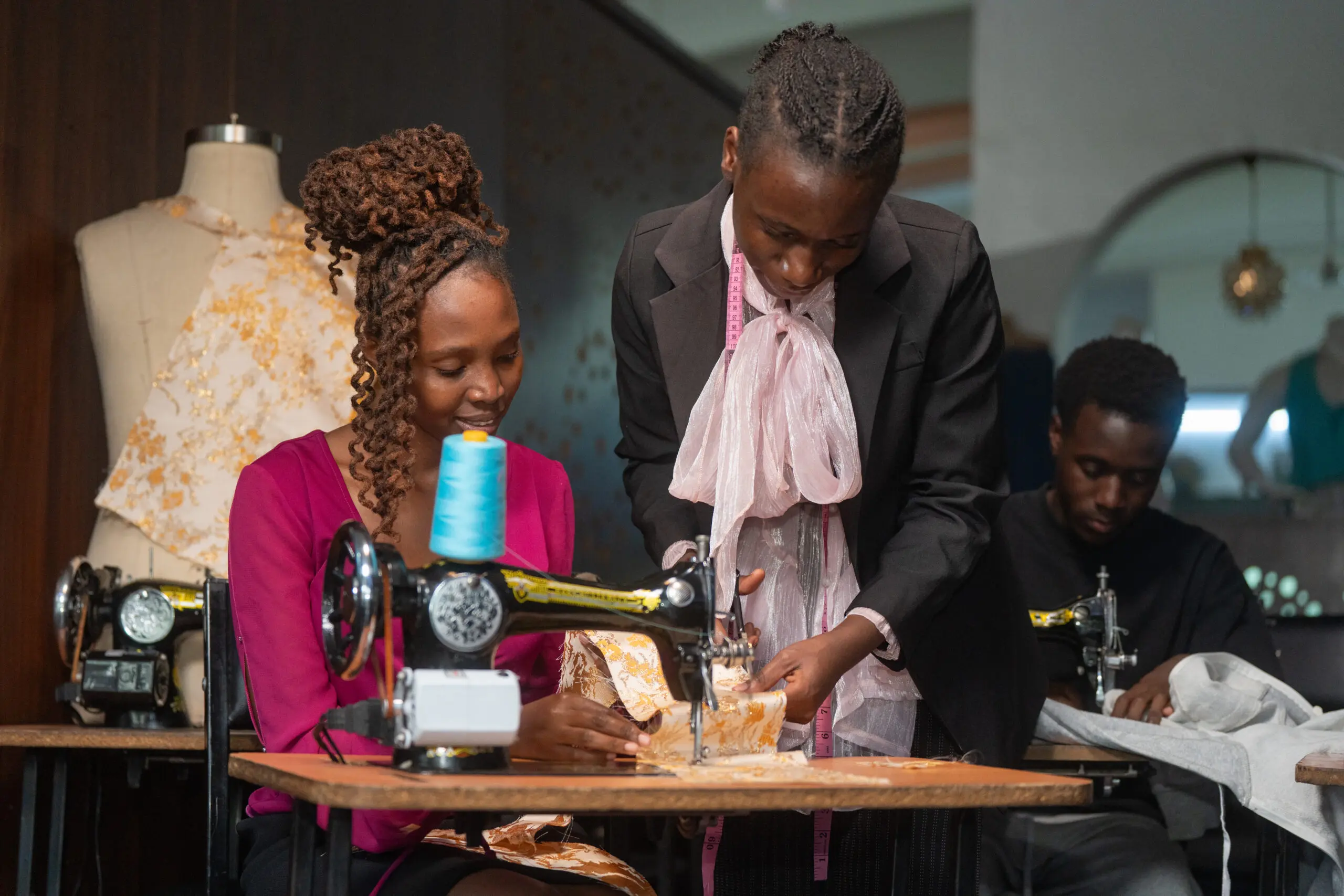 Fashion and design courses can be suitable for:
- KCSE graduates
- Students interested in creative careers
- Aspiring fashion designers
- Tailors and dressmakers
- People interested in sewing
- Aspiring clothing entrepreneurs
- Existing fashion professionals seeking additional skills
- People interested in styling and garment production
- Anyone interested in starting a clothing brand
You do not have to begin with an advanced qualification. Depending on your academic background, you can start with a short course, artisan programme or certificate and progress to higher qualifications.
Best Fashion and Design Courses in Kenya
There are several fashion-related programmes to consider depending on your career goals.
| Fashion and Design Course | Main Focus | Suitable For |
|---|---|---|
| Fashion Design | Designing and creating garments | Aspiring fashion designers |
| Fashion Design and Clothing Technology | Design, textiles and garment production | Clothing production careers |
| Fashion and Apparel Design | Clothing design and construction | Designers and apparel professionals |
| Dressmaking and Tailoring | Sewing and garment construction | Tailors and dressmakers |
| Garment Making | Production and finishing | Garment production |
| Textile Design | Textile development and decoration | Textile designers |
| Fashion Illustration | Fashion drawing and visual design | Fashion design students |
| Pattern Making | Creating garment patterns | Pattern makers |
| Fashion Styling | Styling and image creation | Stylists |
| Fashion Merchandising | Fashion products and sales | Fashion business professionals |
| Fashion Business | Marketing and clothing entrepreneurship | Aspiring fashion entrepreneurs |
1. Fashion Design Course
Fashion Design is one of the most popular fashion and design courses in Kenya.
It teaches students how to turn creative ideas into wearable garments.
What Do You Learn?
Students may learn:
- Fashion illustration
- Design principles
- Colour theory
- Fabric selection
- Pattern drafting
- Sewing
- Garment construction
- Garment finishing
- Fashion trends
- Clothing design
- Basic fashion business
Career Opportunities
Graduates can work as:
- Fashion designer
- Assistant fashion designer
- Dressmaker
- Tailor
- Garment designer
- Fashion entrepreneur
- Clothing brand owner
This is a good option for students who want a broad foundation in fashion.
2. Fashion Design and Clothing Technology
Fashion Design and Clothing Technology combines creative fashion design with the technical side of clothing production.
What Do You Learn?
The programme may cover:
- Fashion design
- Garment construction
- Pattern making
- Textile technology
- Sewing technology
- Clothing production
- Fashion illustration
- Garment finishing
- Quality control
- Fashion business
Career Opportunities
Graduates can work in:
- Clothing manufacturing
- Fashion houses
- Tailoring businesses
- Garment production companies
- Fashion brands
Possible roles include:
- Fashion designer
- Garment technologist
- Pattern maker
- Production assistant
- Quality control assistant
3. Fashion and Apparel Design
Fashion and Apparel Design focuses on designing and producing clothing and other apparel products.
Students develop both creative and technical skills.
Areas Covered
- Fashion illustration
- Clothing design
- Pattern drafting
- Sewing
- Garment construction
- Fabric selection
- Apparel production
- Garment finishing
Career Opportunities
Graduates may work as:
- Apparel designer
- Fashion designer
- Tailor
- Pattern maker
- Garment production assistant
4. Dressmaking and Tailoring
Dressmaking and Tailoring is particularly suitable for students who want to develop practical garment-making skills.
It can also be a good option for someone who wants to start a tailoring business.
What Do You Learn?
- Taking measurements
- Pattern cutting
- Sewing
- Garment construction
- Clothing alterations
- Finishing
- Fabric selection
- Basic garment design
Career Opportunities
You can work as:
- Tailor
- Dressmaker
- Sewing machine operator
- Garment maker
- Clothing alteration specialist
You can also establish your own tailoring business.
5. Garment Making Course
Garment Making focuses primarily on the practical production of clothing.
Students learn how garments are cut, assembled and finished.
What Do You Learn?
- Fabric preparation
- Cutting
- Sewing
- Garment assembly
- Finishing
- Quality control
- Basic pattern making
- Machine operation
Career Opportunities
Graduates can work in:
- Garment factories
- Tailoring businesses
- Fashion houses
- Clothing companies
They can also work independently.
6. Textile Design Course
Textile Design focuses on creating and decorating fabrics used in fashion and other products.
What Do You Learn?
Depending on the programme:
- Textile design
- Fabric decoration
- Colour application
- Surface design
- Printing
- Embroidery
- Fabric development
- Textile production
Career Opportunities
Graduates can work as:
- Textile designer
- Fabric designer
- Textile artist
- Surface pattern designer
- Fashion production assistant
7. Fashion Illustration
Fashion Illustration focuses on visually communicating clothing and fashion ideas.
Students learn how to represent garments, silhouettes, colours and design concepts through drawings and other visual techniques.
What Do You Learn?
- Figure drawing
- Fashion sketching
- Colour application
- Garment illustration
- Design presentation
- Fashion concepts
Career Opportunities
Graduates can work as:
- Fashion illustrator
- Fashion designer
- Design assistant
- Creative assistant
Fashion illustration is also useful as a supporting skill for fashion designers.
8. Pattern Making
Pattern making is the technical process of developing templates used to cut fabric and construct garments.
What Do You Learn?
- Taking body measurements
- Basic blocks
- Pattern drafting
- Pattern adaptation
- Garment fitting
- Pattern grading
- Fabric layout
- Pattern correction
Career Opportunities
Pattern-making skills are valuable in:
- Fashion houses
- Garment factories
- Tailoring businesses
- Clothing brands
You can work as a pattern maker, garment technician or fashion production assistant.
9. Fashion Styling
Fashion styling focuses on creating complete looks by combining clothing, accessories, colours and other elements.
What Do You Learn?
- Styling principles
- Colour coordination
- Wardrobe selection
- Fashion trends
- Personal styling
- Editorial styling
- Photography styling
- Client consultation
Career Opportunities
You can work as:
- Fashion stylist
- Personal stylist
- Wardrobe consultant
- Editorial stylist
- Fashion assistant
10. Fashion Merchandising
Fashion Merchandising combines fashion with business, marketing and sales.
It can be suitable for students who are interested in the commercial side of fashion.
What Do You Learn?
- Fashion marketing
- Product selection
- Customer behaviour
- Fashion trends
- Retail management
- Sales
- Stock management
- Branding
- Merchandising
Career Opportunities
Graduates can work in:
- Fashion retail
- Clothing stores
- Fashion brands
- Online fashion businesses
Possible roles include:
- Fashion merchandiser
- Retail assistant
- Fashion buyer assistant
- Brand assistant
- Sales representative
Which Fashion and Design Course Is Best for You?
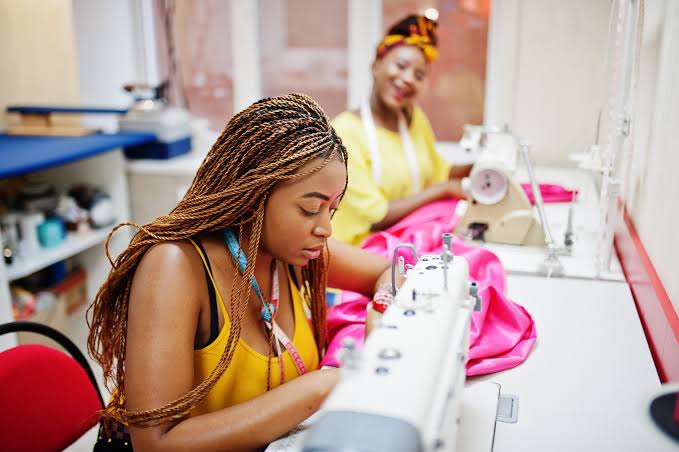 The best fashion and design course depends on the type of work you want to do.
| Your Career Goal | Course to Consider |
|---|---|
| Become a fashion designer | Fashion Design |
| Become a tailor | Dressmaking and Tailoring |
| Make clothes professionally | Garment Making |
| Work in garment production | Fashion Design & Clothing Technology |
| Design fabrics | Textile Design |
| Create fashion sketches | Fashion Illustration |
| Specialize in patterns | Pattern Making |
| Become a stylist | Fashion Styling |
| Work in fashion retail | Fashion Merchandising |
| Start a clothing brand | Fashion Design + Fashion Business |
Fashion and Design Course Entry Requirements in Kenya
Entry requirements for Fashion and Design Courses vary depending on the qualification level and the awarding body.
Short courses and artisan programmes may have lower entry requirements, while diploma programmes generally require higher academic qualifications or relevant prior training.
| Qualification Level | General Entry Level | Suitable For |
|---|---|---|
| Short Course | Varies | Beginners and specialization |
| Artisan | Varies | Practical entry-level training |
| Certificate | Often KCSE D plain or equivalent | Entry-level professional training |
| Diploma | Varies | Advanced training and progression |
These are general guidelines. Always confirm the exact entry requirements for the programme you want before applying.
Can I Study Fashion and Design With a D Plain?
Yes. Students with a D plain may qualify for certain certificate, artisan or other fashion-related programmes, depending on the specific course requirements.
If you do not meet the requirements for a particular diploma programme, you may be able to begin with a lower-level qualification and progress through further training.
Can I Study Fashion and Design After KCSE?
Yes.
KCSE graduates can choose fashion and design programmes at different qualification levels depending on their grades and the requirements of the programme.
You can start with:
Short Course → Artisan/Certificate → Diploma → Further Specialization
This makes fashion and design accessible to students with different academic backgrounds.
How Long Do Fashion and Design Courses Take in Kenya?
The duration of Fashion and Design Courses in Kenya depends on the type of programme, qualification level and curriculum.
| Course Type | Approximate Duration |
|---|---|
| Short Fashion Course | Several weeks to several months |
| Artisan Programme | Several months to about 1 year |
| Certificate | About 1–2 years |
| Diploma | About 2–3 years |
Specialized courses such as sewing, tailoring, fashion illustration or pattern making may be shorter.
Students should consider the depth of practical training rather than choosing a course based only on how quickly they can complete it.
How Much Do Fashion and Design Courses Cost in Kenya?
When comparing Fashion and Design Courses, don’t look at tuition fees alone. Consider practical materials, sewing equipment, examination fees, certification and other costs.
Fashion and design course fees in Kenya vary depending on:
- Qualification level
- Course duration
- Training institution
- Practical requirements
- Materials used
- Examination and certification requirements
Short courses are generally less expensive than certificate and diploma programmes, although the actual cost varies.
When comparing fashion and design courses, ask whether the fees include:
- Tuition
- Registration
- Examination fees
- Practical materials
- Fabrics
- Sewing equipment
- Tools
- Uniform
- Learning materials
- Certification
You should also budget for personal materials such as fabrics, threads, patterns and other sewing supplies where required.
What Do You Learn in Fashion and Design Courses?
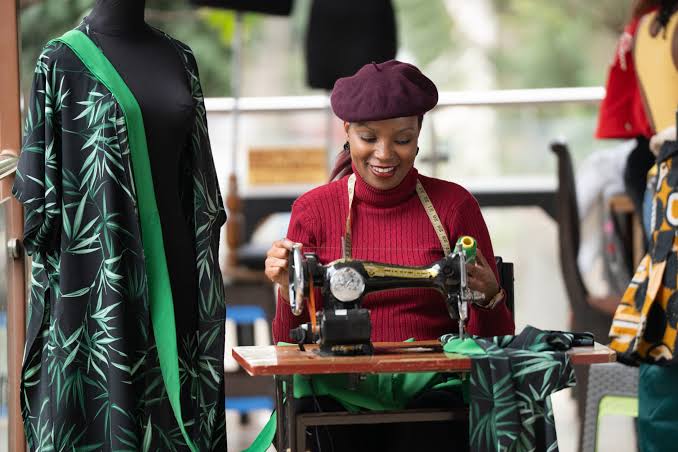 Fashion training combines creativity, technical skills and practical garment production.
Fashion Illustration
Students learn to communicate their ideas through fashion sketches and illustrations.
Topics may include:
- Figure drawing
- Garment sketches
- Colour
- Design concepts
- Fashion presentation
Pattern Making
Students learn how to create patterns based on measurements and garment designs.
Sewing and Garment Construction
This involves:
- Machine sewing
- Hand sewing
- Garment assembly
- Seam construction
- Finishing techniques
Textile Knowledge
Students learn about different fabrics and their characteristics, including how fabric choice affects garment construction and design.
Garment Finishing
Students learn techniques for producing neat, professional garments.
Fashion Trends
Students learn how fashion trends influence design and consumer preferences.
Fashion Business
Some programmes introduce:
- Pricing
- Marketing
- Branding
- Customer service
- Stock management
- Business planning
Practical Training in Fashion and Design
Practical training is one of the most important components of Fashion and Design Courses because students need to develop their sewing, cutting, fitting and garment-finishing skills.
Fashion is a hands-on profession, so practical training is extremely important.
Students should have opportunities to practice:
- Sewing
- Pattern drafting
- Cutting
- Garment construction
- Fashion illustration
- Garment finishing
- Measurements
- Clothing alterations
A good fashion programme should give students opportunities to create actual garments and build a portfolio.
Why Is a Portfolio Important?
A portfolio allows you to demonstrate your:
- Design ideas
- Sewing skills
- Garment construction
- Creativity
- Technical ability
- Fashion illustration
- Completed projects
For freelance designers and entrepreneurs, a strong portfolio can be as important as the qualification itself when attracting clients.
Fashion and Design vs Tailoring: What’s the Difference?
Although the two areas overlap, they are not exactly the same.
| Fashion and Design | Tailoring |
|---|---|
| Focuses on design and creativity | Focuses heavily on garment construction |
| Fashion illustration | Sewing |
| Trend development | Measurements |
| Pattern making | Garment alterations |
| Textile knowledge | Garment finishing |
| Clothing production | Custom clothing |
If you want to design collections and develop fashion concepts, Fashion Design may be more suitable.
If you mainly want to make and alter clothes for clients, tailoring may be the better option.
You can also combine both skill sets.
Career Opportunities After Fashion and Design Courses
There are many career paths available to trained fashion professionals.
Fashion Designer
Fashion designers create clothing concepts, develop designs and oversee garment production.
Tailor
Tailors make, alter and repair clothing according to customer measurements and requirements.
Dressmaker
Dressmakers specialize in creating garments, particularly custom-made clothing.
Pattern Maker
Pattern makers develop the templates used to construct garments.
Garment Technologist
Garment technologists focus on the technical aspects of clothing production, including construction and quality.
Fashion Stylist
Stylists help clients, models or brands create complete fashion looks.
Textile Designer
Textile designers develop patterns and designs for fabrics.
Fashion Merchandiser
Fashion merchandisers work on the commercial side of fashion, including product selection, retail and sales.
Fashion Entrepreneur
Fashion graduates can establish their own brands, tailoring businesses or clothing stores.
Where Can Fashion and Design Graduates Work?
Graduates can find opportunities in:
- Fashion houses
- Tailoring businesses
- Garment factories
- Clothing companies
- Fashion retail stores
- Textile companies
- Bridal shops
- Costume departments
- Fashion media
- Photography
- Theatre and film
- Online fashion businesses
Self-employment is also a major opportunity.
Fashion and Design Salary in Kenya
Fashion and design earnings vary considerably depending on:
- Experience
- Technical skills
- Specialization
- Location
- Employer
- Number of clients
- Type of clothing produced
- Business ownership
An entry-level garment worker will have a different earning potential from an experienced fashion designer with an established client base.
Specialized skills can help increase earning opportunities. These may include:
- Bridal wear
- Bespoke tailoring
- Pattern making
- Fashion styling
- Costume design
- Textile design
- Fashion illustration
Entrepreneurs have a different income structure because their earnings depend on sales, pricing, operating expenses and business profitability.
Can You Start a Fashion Business After Studying?
Yes. Fashion and design is one of the practical fields where you can turn your skills into a business.
Start a Tailoring Business
You can offer:
- Custom-made clothes
- Clothing alterations
- Repairs
- Uniform production
- Made-to-measure garments
Start a Fashion Brand
You can create your own clothing line and sell through:
- Physical stores
- Social media
- E-commerce platforms
- Pop-up shops
- Fashion events
Start a Bridal Wear Business
Specialize in:
- Wedding dresses
- Bridesmaid dresses
- Traditional wedding outfits
- Custom event wear
Start a Clothing Alteration Business
Alterations can include:
- Adjusting sizes
- Shortening garments
- Repairing clothing
- Replacing zips
- Resizing clothes
Start a Fashion Styling Business
You can provide:
- Personal styling
- Wardrobe consultations
- Event styling
- Photography styling
Skills Needed to Run a Fashion Business
Technical fashion skills are only one part of building a successful fashion business.
You should also develop:
- Marketing
- Pricing
- Customer service
- Bookkeeping
- Stock management
- Branding
- Social media marketing
- Business planning
- Product photography
- Online sales
A designer who understands both fashion and business has more opportunities to build a sustainable brand.
Short Fashion and Design Courses in Kenya
Short courses can help beginners acquire specific skills without committing to a full certificate or diploma.
Popular options include:
- Basic sewing
- Tailoring
- Dressmaking
- Pattern making
- Fashion illustration
- Textile design
- Fashion styling
- Garment construction
- Embroidery
- Clothing alterations
Short courses are particularly useful for people who want to:
- Learn a new skill
- Start a small business
- Add services to an existing business
- Improve their sewing skills
- Specialize in one area of fashion
If you want broader career progression, a certificate or diploma may be more suitable.
How to Choose the Right Fashion and Design Course
Before enrolling in fashion and design courses, consider the following:
1. Your Career Goal
Do you want to become a designer, tailor, stylist, pattern maker or entrepreneur?
2. Course Content
Look at the actual subjects rather than relying only on the course name.
3. Practical Training
Find out how much time is dedicated to sewing, pattern making, garment construction and other practical skills.
4. Equipment
Check whether the training programme provides access to:
- Sewing machines
- Cutting tables
- Irons
- Pattern-making tools
- Other fashion equipment
5. Course Duration
Choose a programme that fits your schedule and career objectives.
6. Total Cost
Consider tuition as well as fabrics, sewing tools, examination fees and other materials.
7. Certification
Confirm the qualification and awarding or examining body.
8. Portfolio Development
Choose a programme that allows you to produce actual garments and design projects that can become part of your portfolio.
9. Industrial Attachment
Where applicable, workplace experience can help you understand real fashion and garment-production environments.
10. Business Skills
If you plan to become self-employed, consider a programme that introduces entrepreneurship and fashion business management.
How to Check Whether a Fashion and Design Course Is Recognized
Before enrolling, find out:
- Who awards the qualification?
- Is the programme appropriately recognized?
- What examinations are involved?
- What certificate will you receive?
- Can you progress to a higher qualification?
- Does the training include practical assessment?
For TVET-related programmes, you can check information about training and regulatory requirements through TVET Authority and qualification information through Kenya National Qualifications Authority.
Fashion and Design Course Intakes and Application
Intake dates depend on the programme and training institution.
Before applying, confirm:
- Intake dates
- Entry requirements
- Course duration
- Fees
- Required documents
- Practical training arrangements
- Examination requirements
Common documents may include:
- KCSE certificate or result slip
- Identification documents
- Passport-size photographs
- Previous certificates where applicable
- Completed application form
Requirements vary between programmes.
Frequently Asked Questions About Fashion and Design Courses
What are fashion and design courses?
Fashion and design courses train students in clothing design, sewing, tailoring, garment construction, pattern making, textiles, styling and fashion business.
Which are the best fashion and design courses in Kenya?
Popular options include Fashion Design, Fashion Design and Clothing Technology, Fashion and Apparel Design, Dressmaking and Tailoring, Garment Making, Textile Design, Pattern Making, Fashion Styling and Fashion Merchandising.
Can I study fashion and design with a D plain?
Yes. A D plain may qualify you for certain certificate, artisan and other fashion-related programmes, depending on the specific entry requirements.
What are the requirements for fashion and design courses?
Requirements depend on the qualification. Short courses may have minimal academic requirements, while certificate and diploma programmes have specific academic or progression requirements.
How long do fashion and design courses take in Kenya?
Short courses may take several weeks or months. Certificate programmes can take about one to two years, while diploma programmes may take around two to three years depending on the programme.
How much do fashion and design courses cost in Kenya?
Fees vary depending on the institution, qualification, duration and practical requirements. Students should also budget for fabrics, sewing tools, equipment and examination fees where applicable.
What do you learn in Fashion Design?
Students may learn fashion illustration, pattern making, sewing, garment construction, textile knowledge, clothing design, garment finishing and fashion business.
Is Fashion and Design a good career in Kenya?
Yes. Fashion and design offers opportunities in tailoring, garment manufacturing, fashion houses, clothing retail, styling, textiles and self-employment.
What jobs can I get after studying Fashion and Design?
Possible careers include fashion designer, tailor, dressmaker, pattern maker, garment technologist, textile designer, fashion stylist and fashion merchandiser.
Can I start a clothing business after studying Fashion and Design?
Yes. You can start a tailoring business, clothing brand, bridal-wear business, clothing alteration service or fashion styling business.
What is the difference between Fashion Design and Tailoring?
Fashion Design focuses more broadly on creating clothing concepts, design development and garment production, while tailoring focuses heavily on making, fitting, altering and repairing garments.
Can I specialize after studying Fashion and Design?
Yes. You can specialize in areas such as bridal wear, pattern making, textile design, styling, garment production, fashion illustration or fashion merchandising.
Are short fashion courses worth it?
Short courses can be useful for learning specific skills such as sewing, tailoring, pattern making or fashion illustration. For broader career progression, consider a certificate or diploma programme.
Which are the best Fashion and Design Courses in Kenya?
The best Fashion and Design Courses in Kenya depend on your career goals. Popular options include Fashion Design, Fashion Design and Clothing Technology, Dressmaking and Tailoring, Garment Making, Textile Design, Pattern Making and Fashion Styling.
Start Your Fashion and Design Career at NIE College
Fashion and design can provide opportunities to build a creative career, work in the clothing industry or establish your own fashion business.
The right fashion and design course can help you develop practical skills in sewing, pattern making, garment construction, textiles and fashion design while giving you a foundation for further specialization.
Before choosing a programme, consider the entry requirements, course content, duration, fees, practical training, equipment, certification and career opportunities.
Whether you want to become a fashion designer, tailor, dressmaker, stylist, pattern maker or clothing entrepreneur, practical training can help you turn your creativity into a career.
Ready to start your fashion career? Explore the fashion and design courses available at NIE College and choose a programme that matches your career goals.
Looking for a college to study Fashion and Design?
Once you know which fashion course you want to pursue, the next step is choosing where to study.